

Clear Blackheads Daily: Simple Routine + Weekly Rotation
What blackheads are (and why they keep coming back)
Blackheads are a type of clogged pore (a form of comedonal acne). They form when oil (sebum) and dead skin cells collect inside a pore and create a plug. The “black” color isn’t dirt—it’s oxidation. When the top of the plug is exposed to air, it darkens and becomes more visible.
They can feel stubborn because the factors that create them often repeat daily: excess oil production, product buildup, inconsistent cleansing (or cleansing that’s too harsh), and normal hormonal shifts that change how skin sheds and how much oil it produces. Heavy or pore-clogging products can also trap debris, especially around the nose, chin, and forehead.
It’s tempting to squeeze, but aggressive extraction can inflame the pore lining. That irritation can make the pore more likely to clog again and can leave marks that linger longer than the blackhead itself. For general background on acne and comedones, see the American Academy of Dermatology Association overview or the Cleveland Clinic guide to blackheads.
Non-negotiables before starting a new routine
- Patch test new actives (salicylic acid, retinoids, benzoyl peroxide) on a small area for several nights before applying to the full face.
- Add one new active at a time for 1–2 weeks so it’s easier to identify what helps—and what irritates.
- Wear sunscreen every day when using exfoliants or retinoids to reduce sensitivity and lower the risk of discoloration from irritation.
- Pregnancy/breastfeeding: avoid retinoids and confirm ingredient safety with a clinician.
Morning routine: keep pores clear without stripping
1) Cleanse
Start with a gentle cleanser that removes overnight oil without leaving skin tight. If you’re very oily, a salicylic-acid cleanser a few mornings per week can help keep congestion from building—but using it daily isn’t required (and can be too drying for some skin types).
2) Treat (pick one)
Choose a single targeted step based on your main issue:
- Leave-on salicylic acid (BHA): helpful when pores look bumpy or “peppered” with blackheads, especially around the nose.
- Niacinamide: supports the skin barrier and can help with oil balance and the look of enlarged pores over time.
3) Moisturize
A lightweight, non-comedogenic moisturizer (lotion or gel-cream) helps prevent the rebound oiliness that can happen when skin gets over-dried. Think “comfortable and calm,” not squeaky clean.
4) Protect
Apply broad-spectrum SPF 30+ daily. Reapply when you’re outdoors, sweating, or near windows for long stretches. Consistent SPF also helps post-inflammatory marks fade more evenly when you’re using actives.
Night routine: the clearing step that builds results
1) Remove sunscreen/makeup
If you wear water-resistant sunscreen or makeup, consider an oil or balm cleanse first, followed by a gentle cleanser. If you don’t wear either, one gentle cleanse is usually enough.
2) Treatment rotation (build results without burning out your barrier)
Instead of layering multiple strong products every night, rotate your “active” nights:
- Retinoid night: supports healthy cell turnover and helps prevent the buildup that forms comedones.
- BHA night: salicylic acid is oil-soluble, so it can move into oily pores and help loosen debris.
Start slowly (especially if you’re sensitive) and increase only when skin is calm—no stinging, no persistent redness, no peeling patches.
3) Moisturize
4) Skip harsh tools
Simple weekly care plan (with a built-in rotation)
| Day | Evening focus | Notes |
|---|---|---|
| Mon | Retinoid | Apply to dry skin; start 2–3 nights/week |
| Tue | Moisture-only | Barrier reset night if skin feels tight |
| Wed | BHA (salicylic acid) | Leave-on BHA for congested areas; avoid over-layering |
| Thu | Moisture-only | Add soothing serum if needed |
| Fri | Retinoid | If irritation occurs, reduce frequency |
| Sat | Optional clay mask | 1x/week max; follow with moisturizer |
| Sun | Moisture-only | Keep it simple to support recovery |
Stick with a steady plan for 4–8 weeks before judging results (unless irritation appears). If you want a deeper review of acne triggers and why clogged pores form, the Mayo Clinic overview is a helpful reference.
Common mistakes that slow progress
When to consider professional help
A practical guide to keep on track
Routines work best when they’re easy to repeat. If you want a checklist-style plan to follow day by day, the Daily Steps to Clear Blackheads – Practical Ebook Guide for a Skincare Routine for Blackheads | Simple Daily & Weekly Care Plan lays out a simple structure, including how to rotate actives and what to do during irritation flare-ups.
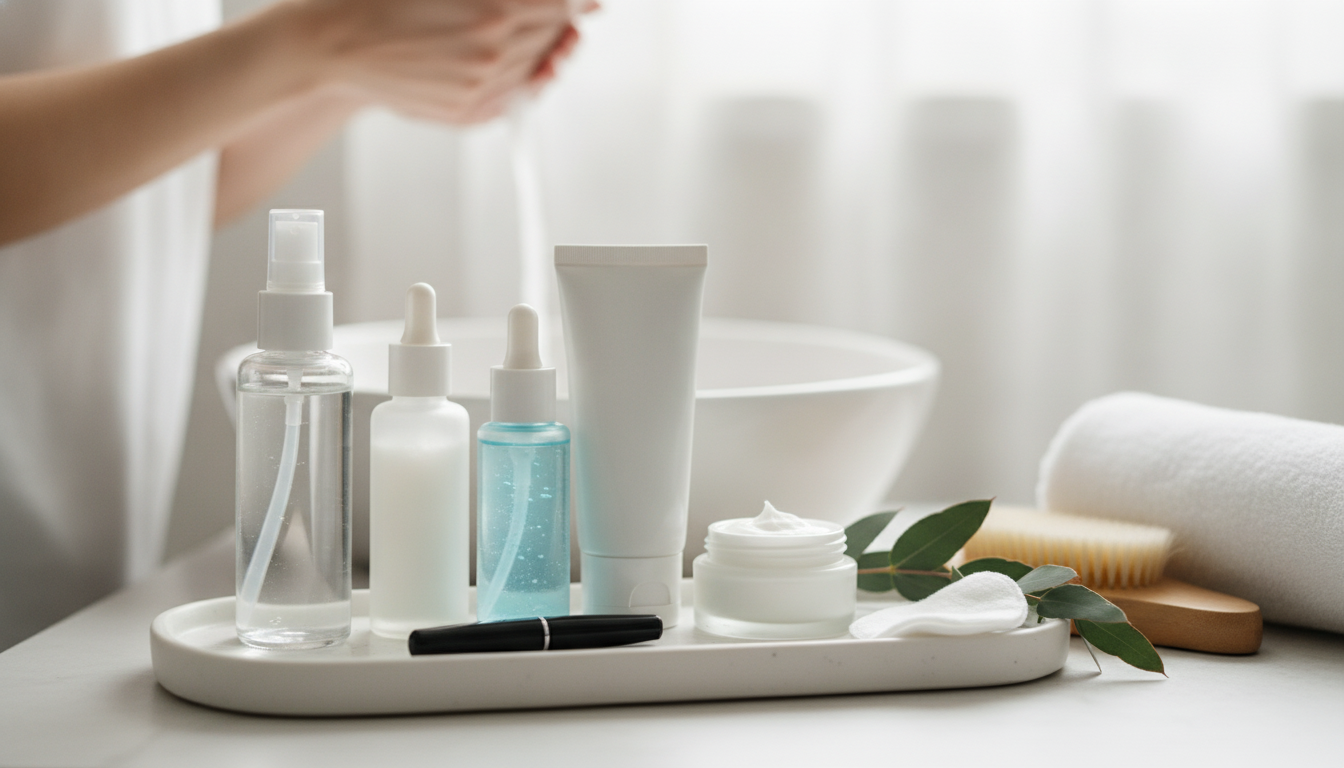
To make the routine easier to maintain, some people set up a small “skincare station” so products stay visible and organized. A countertop organizer like the Luxury 12-Inch Stainless Steel Decorative Tray for Home, Kitchen & Countertop can keep your daily essentials in one place, while small containers such as the Strawberry Ceramic Seasoning Jar Set can be repurposed to hold cotton rounds or hair ties if you like a tidy setup.
FAQ
How long does it take to see fewer blackheads?
Many people notice gradual improvement in about 4–8 weeks with consistent cleansing, targeted treatments, and sunscreen. Skin turnover takes time, and pores often clear little by little—especially if actives are introduced slowly to avoid irritation.
Is salicylic acid or a retinoid better for blackheads?
Salicylic acid (BHA) helps decongest oily pores, while retinoids help normalize shedding so clogs form less easily. For many routines, starting with one and then rotating (if tolerated) works well; avoid retinoids during pregnancy and scale back if sensitivity shows up.
Should blackheads be squeezed or extracted at home?
Squeezing can inflame the pore and increase the risk of marks, making the area look worse over time. A safer approach is consistent use of a BHA or retinoid, optional clay masking no more than weekly, and professional extraction if needed.
Recommended for you



Cat Wall Alternatives: No-Drill Vertical Space Ideas
Jul 28, 2026













Leave a comment