

Bamboo Folding Breakfast Tray: Sofa & Bed Laptop Desk
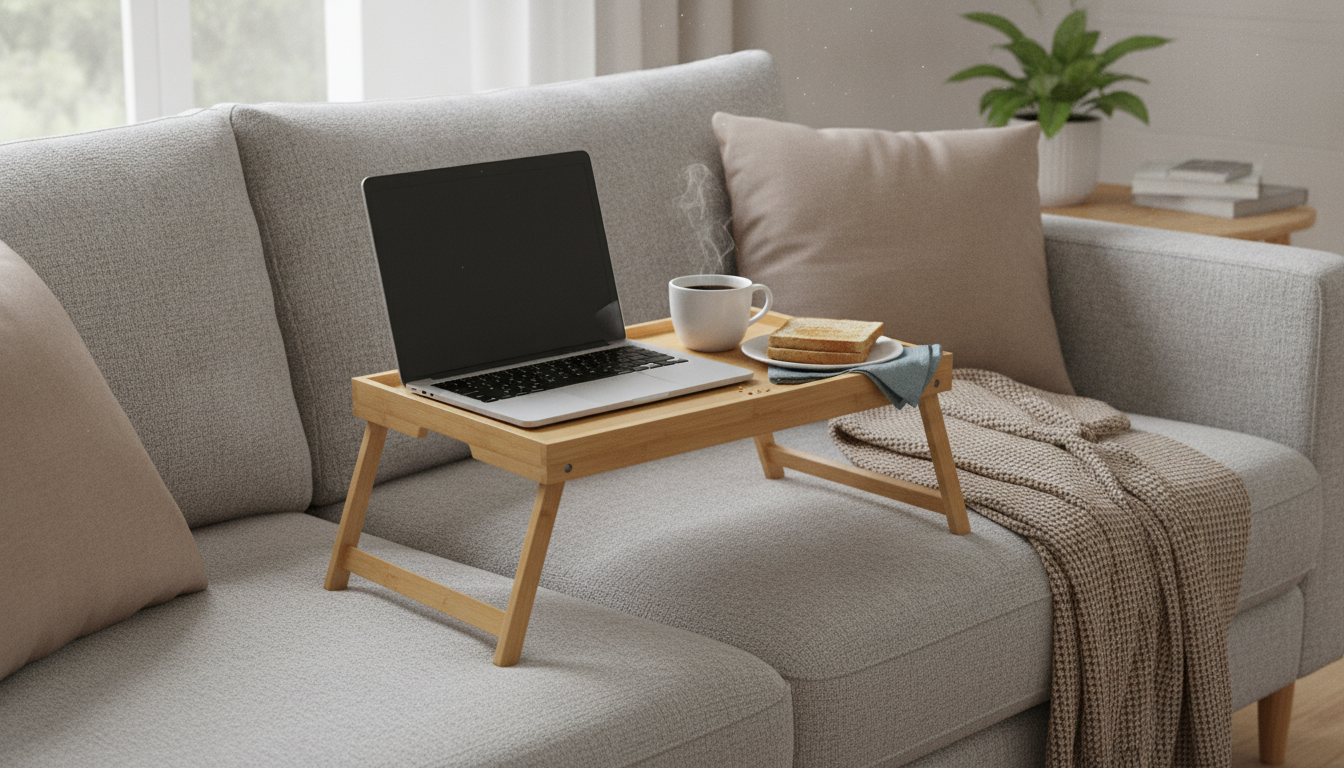
Bamboo Breakfast Tray with Folding Legs for Sofa Bed, Adjustable Serving Laptop Desk
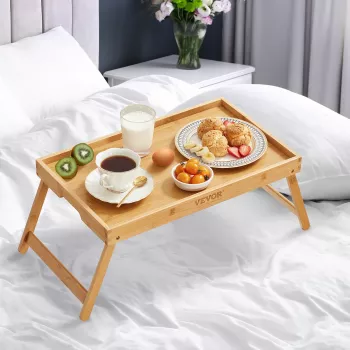
A foldable bamboo tray can turn a sofa or bed into a comfortable spot for breakfast, working on a laptop, or serving snacks without balancing items on pillows. With folding legs and adjustable positions, it’s designed to move with real life—weekend coffee in bed, a movie-night snack spread, or quick emails from the couch. Below is a practical guide to what this style of tray does best, how to set it up for different spaces, and how to keep bamboo looking great over time.
What this tray does well
- Creates a stable surface for meals, drinks, books, and devices while sitting or reclining.
- Folding legs make it easy to store in a closet, under a bed, or beside a sofa.
- Adjustable positions help tune height/angle for typing, writing, or eating.
- Bamboo construction offers a warm look that fits bedroom, living room, or dorm spaces.
If the goal is a flexible surface that can shift from serving to light desk duty, a bamboo folding tray checks the box without taking over the room. Bamboo is also widely recognized as a fast-growing resource; for broader context on bamboo as a material, see the USDA Forest Service and sustainability guidance from the EPA.
Best everyday uses (beyond breakfast in bed)
- Laptop desk on the couch: keeps the device off soft cushions for steadier typing and mousing.
- Snack and drink station during movies: reduces spills that happen when cups sit on uneven bedding or squishy pillows.
- Reading and journaling stand: supports notebooks, tablets, or e-readers at a more comfortable angle.
- Bedside helper: a spot for medications, water, or a small lamp within reach (especially helpful in small bedrooms).
- Kids’ activity surface: coloring and puzzles with quick fold-away cleanup after.
For serving-focused setups—like appetizers for guests or a polished countertop display—a dedicated decorative tray can complement a foldable bedside tray. The Luxury 12-Inch Stainless Steel Decorative Tray for Home, Kitchen & Countertop works well for a more formal look, while the foldable bamboo option is geared toward comfort and convenience around seating.
Fit check for sofa and bed setups
- Measure usable space first: confirm the tray top fits between armrests or across a lap without bumping elbows.
- Check leg clearance: make sure folded legs won’t press into soft bedding or sink too deeply into cushions.
- Angle awareness: if using it as a laptop stand, confirm the tilt doesn’t force wrists into an awkward bend.
- Spill planning: prefer setups where the tray sits level and drinks can be placed away from edges.
- Storage plan: pick a nearby spot where the tray can be folded and tucked away after use.
Quick setup guide by use case
| Use case | Leg position | Angle/height tip | Best surface |
|---|---|---|---|
| Breakfast in bed | Open legs | Keep level for plates and cups | Firm mattress area or near headboard |
| Laptop on sofa | Open legs or low position | Slight tilt can improve screen view; keep wrists neutral | Cushion top with legs supported |
| Writing/journaling | Open legs | Level surface reduces hand fatigue | Bed or sofa with stable placement |
| Serving snacks | Open legs | Level surface; place drinks toward center | Coffee table alternative on sofa/bed |
Comfort and safety details that matter
- Stability first: ensure legs fully lock into place before setting anything down.
- Heat and moisture: use coasters for hot mugs and wipe condensation promptly to protect the finish.
- Edge control: keep heavier items centered, especially on soft cushions.
- Device ventilation: when using a laptop, avoid blocking bottom vents; consider a small gap or stand if needed.
- Kid- and pet-friendly habits: fold and store the tray when not in use to prevent tripping or tipping.
For laptop comfort, small adjustments matter: aim to keep wrists neutral and shoulders relaxed rather than reaching forward. If you’re building a more ergonomic lounging setup, posture basics from Harvard Health Publishing can be a helpful reference point when deciding whether to use a flat surface, a slight tilt, or an external keyboard.
Care for bamboo: keep it clean and looking new
- Daily cleaning: wipe with a slightly damp cloth, then dry immediately.
- Avoid soaking: do not leave it in standing water or put it in a dishwasher.
- Stain prevention: clean spills quickly, especially coffee, juice, and oily foods.
- Finish maintenance: if the surface looks dry over time, a light food-safe mineral oil can refresh the appearance (follow product directions).
- Storage: keep in a dry spot away from direct heat sources to reduce warping risk.
A simple habit that pays off: keep a coaster tucked on the tray. It protects the finish, reduces rings, and makes it easier to confidently place a cold drink next to a book or device.
A simple way to decide if it’s the right choice
For a versatile everyday option, consider the Bamboo Breakfast Tray with Folding Legs for Sofa Bed, Adjustable Serving Laptop Desk. Pair it with a more presentation-forward piece—like the Luxury 12-Inch Stainless Steel Decorative Tray for Home, Kitchen & Countertop—when the moment calls for countertop styling or a centerpiece feel.
FAQ
Can this be used as a laptop desk on a sofa?
Yes—set the legs securely on a stable spot, keep the tray from rocking on soft cushions, and make sure the laptop’s vents aren’t blocked. A slight tilt can improve viewing, but keep wrists comfortable and neutral while typing.
How do folding legs affect stability on a bed?
Folding legs are most stable on a firmer mattress area rather than a deep, plush section. Fully open and lock the legs, keep weight centered, and avoid placing heavy items near the edges where tipping is more likely.
What’s the best way to clean a bamboo serving tray?
Wipe with a damp cloth and dry right away to avoid moisture absorption. Skip soaking and dishwashers, and use coasters to reduce water rings and heat marks.
Recommended for you

Cat Wall Alternatives: No-Drill Vertical Space Ideas
Jul 28, 2026
Do Polyester Pants Dry Fast? Quick-Dry Facts & Tips
Jul 28, 2026













Leave a comment