
A Simple Wardrobe System: Audit, Edit, Repeat Outfits
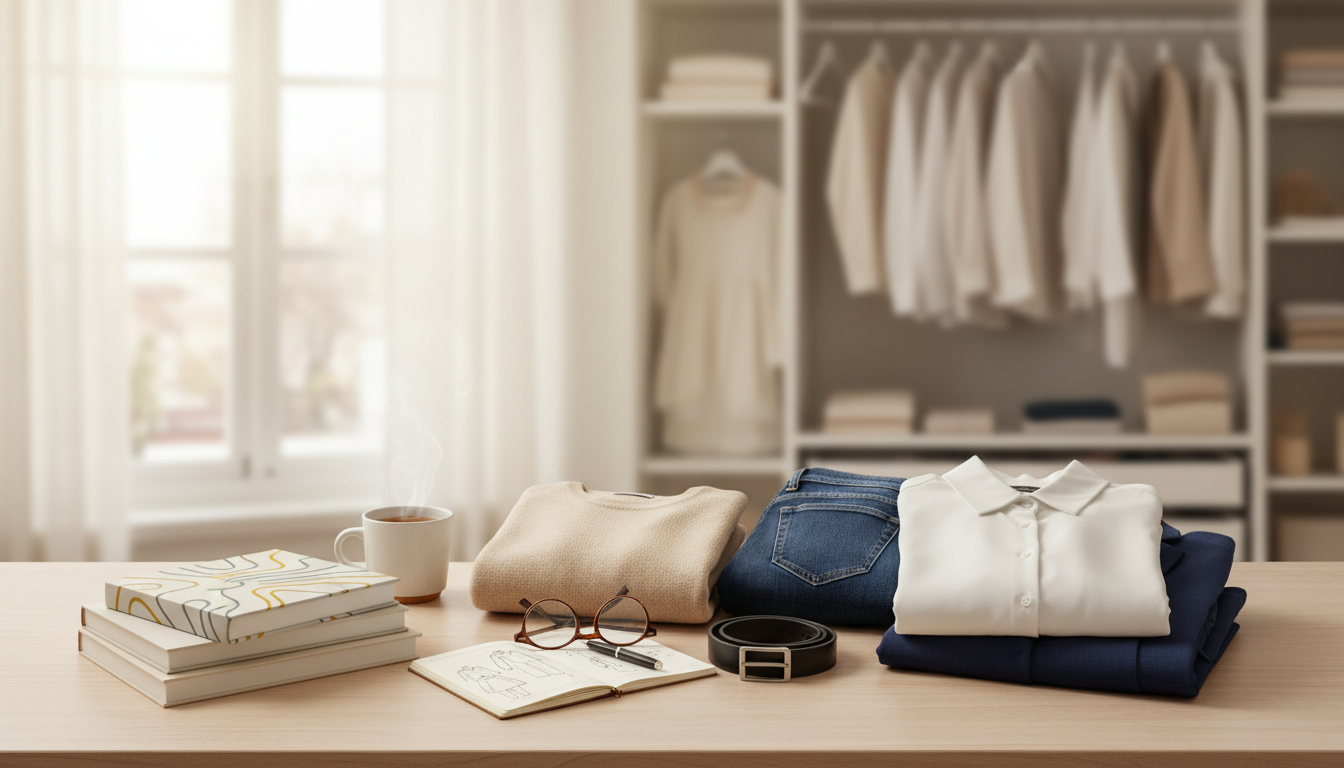
Build a Wardrobe That Works for You: A Simple, Repeatable Style System
A wardrobe works when getting dressed feels easy, outfits match the life you actually live, and purchases stop turning into closet clutter. The simplest way to get there is a repeatable system: define your daily needs, choose a focused color palette, keep only the silhouettes that flatter and function, and build a small set of versatile outfits you can repeat with confidence.
Start With Real Life: Your 7-Day Outfit Audit
Before you edit or shop, map what you actually do. A “perfect” wardrobe that doesn’t match your calendar will always feel like you have nothing to wear.
- List the next 7 days of typical activities (work, errands, social, travel, exercise, home).
- Assign a simple dress code to each (casual, smart casual, business, formal, active).
- Note practical constraints: climate, commuting, comfort needs, dress requirements.
- Identify your three most common “outfit problems” (nothing fits, nothing matches, not the right level of polish).
- Set one realistic goal: fewer decisions, better fit, easier mixing, or a more cohesive look.
One-Week Wardrobe Needs Worksheet
| Day/Scenario | Dress Code | Key Pieces Needed | Shoes/Outerwear | Notes |
|---|---|---|---|---|
| Work (office) | Smart casual | Top + trousers/jeans + layer | Loafers/sneakers + light jacket | Comfort for sitting/walking |
| Errands | Casual | Easy top + denim/leggings | Sneakers + tote | Weather-friendly |
| Social dinner | Polished | Dress or top + skirt/trouser | Heels/flats + coat | Add jewelry/bag |
| Weekend daytime | Casual | T-shirt + jeans + layer | Sneakers + outerwear | Repeatable uniform |
| Active | Athletic | Workout set | Trainers + hoodie | Laundry cycle timing |
Define Your “Core Style” in 10 Minutes
Core style isn’t a label—it’s a filter that makes decisions faster. Keep it short, realistic, and easy to repeat.
- Choose 3 words that describe how outfits should feel (clean, relaxed, modern; classic, feminine, polished; minimal, edgy, practical).
- Pick 2–3 outfit formulas to repeat (knit + straight jeans + blazer; button-down + wide-leg trousers; tee + midi skirt + sneakers).
- Decide your comfort baseline: preferred rises, sleeve lengths, necklines, and shoe types.
- Save inspiration only if it matches your life and comfort (not aspirational costumes).
Edit First: Keep the Pieces That Earn Their Space
Editing is where your wardrobe starts working again. You’re not aiming for “less,” you’re aiming for “usable.”
- Use quick categories: Keep (wear weekly), Maybe (needs tailoring or styling), Donate/Sell (doesn’t fit or doesn’t suit).
- Fit is non-negotiable: prioritize tailoring and replace items that consistently feel off.
- Check pairing power: each kept item should work with at least 3 other items you own.
- Remove duplicates that compete for the same role unless both are worn often.
- Create a small repair/tailor bag and schedule one drop-off day so it actually happens.
If motivation helps, remember that buying less and wearing more is also a sustainability win. A helpful overview of clothing’s impact is available from Our World in Data.
Build a Focused Color Palette That Mixes Easily
A tight palette is the fastest way to increase outfit options without buying more. It also reduces the “almost matches” problem that creates closet clutter.
- Choose 2 neutrals for most bottoms and outerwear (black, navy, gray, camel, olive, cream).
- Add 1–2 accent colors that complement your skin tone and feel energizing.
- Keep prints minimal and compatible (stripes, small checks, or one signature print).
- Use shoes and bags as palette bridges so outfits look intentional.
- When shopping, avoid “almost matches” that limit outfit combinations.
Choose Silhouettes That Repeat (Tops, Bottoms, Layers)
When silhouettes repeat, outfits come together quickly. When silhouettes fight each other, getting dressed turns into trial-and-error.
- Pick 1–2 preferred pant shapes (straight, wide-leg, tapered) and stick with them.
- Decide your go-to top types (tee, knit, blouse, button-down) and preferred lengths.
- Layering pieces should solve a problem: warmth, polish, or structure (cardigan, blazer, denim jacket, trench).
- Balance proportions consistently (volume on top with a slimmer bottom, or vice versa).
- Limit special-case items that require a very specific bra, shoe height, or weather.
Create a Small Outfit Library (So You Don’t Start From Scratch)
An outfit library is a personal menu: proven combinations you can repeat, tweak, and rely on when you’re busy.
For footwear that works as a palette bridge and keeps outfits grounded, a low-key sneaker can do a lot of heavy lifting. If green works in your accents, consider Adidas Men’s Green Suede Sneakers as a casual-to-smart-casual option with denim, trousers, and weekend layers.
Shop With Rules: Buy Fewer Pieces That Do More
If you ever share reviews, endorsements, or gifted items online, keep disclosures clear and compliant. The FTC endorsement guidelines are a practical reference.
A Simple Style Guide You Can Follow Step by Step
Start here: How to Build a Wardrobe That Works for You | Simple Style Guide eBook.
FAQ
How many clothes are needed for a simple wardrobe?
A simple wardrobe is usually less about a strict item count and more about having enough outfits for your real week. Many people do well starting with 10–15 core pieces (plus seasonal items) that create multiple outfits through layering and mix-and-match.
How can outfits look different without buying more?
Rotate a few outfit formulas, then change one variable at a time: shoes, a third layer (blazer/cardigan/jacket), or one accessory move. A limited color palette also makes repeats look intentional while still feeling fresh.
What should be replaced first when rebuilding a wardrobe?
Replace the weak links that block outfits: comfortable everyday shoes, a versatile jacket/layer, and well-fitting bottoms you can wear multiple times per week. Once those foundations work, adding tops and accessories becomes much more effective.
Recommended for you

Confident Communication at Work: 15 Fearless Habits
Jul 30, 2026
Mantra Stress Reduction: 7-Minute Beginner Routine
Jul 30, 2026













Leave a comment