-
Shop
- Adidas
- Advanced Technologies
- AI Career Advantage Collection
- AI Skills for Creators & Freelancers
- AI Client Management
- AI Ethics
- AI Mindset
- AI Tools & Prompts
- AI Writing & Content Creation
- Audio, Voice & Music
- Design & Visual Creation
- Email, Messaging & Communication
- Freelancing & Business
- Marketing, Ads & Conversion
- Productivity, Workflow & Automation
- SEO & Search Optimization
- Social Media Content & Growth
- Strategy, Planning & Analytics
- Video Creation & Editing
- AI Skills Mastery 2026 Collection
- Bathroom
- Best-Sellers
- Car Accessories
- Confidence
- Dating & Social Skills
- Digital Resources
- AI & Technology
- AI Skills
- Beauty
- Budgeting & Saving
- Car Buying & Ownership
- Cozy Feast Collection
- Electronics & Technology
- Entrepreneurship & Business Growth
- Financial Education
- Financial Independence
- Financial Mindset & Psychology
- Goal Setting
- Hobbies
- Home Styling & Organization
- Kitchen & Recipes
- Leadership
- Mindfulness
- Mindset
- Online Business
- Parenting & Child Development
- Personal Style & Fashion
- Pet Lifestyle & Wellness
- Positive Thinking
- Sleep Improvement
- Smart Life with AI
- Stress Management & Relaxation
- Travel Planning
- Wellness
- Yoga & Fitness
- Yoga & Mind-Body Practices
- Education & Learning
- Family & Parenting
- Fashion
- Furniture
- Gadgets
- Health & Beauty
- Health & Wellness
- Home & Garden
- Home Decor
- Home Electronics
- Kids & Babies
- Kitchen
- Kitchen Best-Sellers
- Lighting
- Luxury Brands Collection
- Nike
- Online Business for Beginners
- Patio, Lawn & Garden
- Personal Growth
- Pet Care
- Pet Supplies
- Pets
- Smart Amazon Shopping
- Sport & Outdoors
- Stress Relief & Relaxation
- TikTok Growth & Monetization Mastery
- Travel
- Travel & Adventure
- Wealth
- Popular
- Best deals
5 AI Skills Beginners Should Learn to Stay Future-Ready
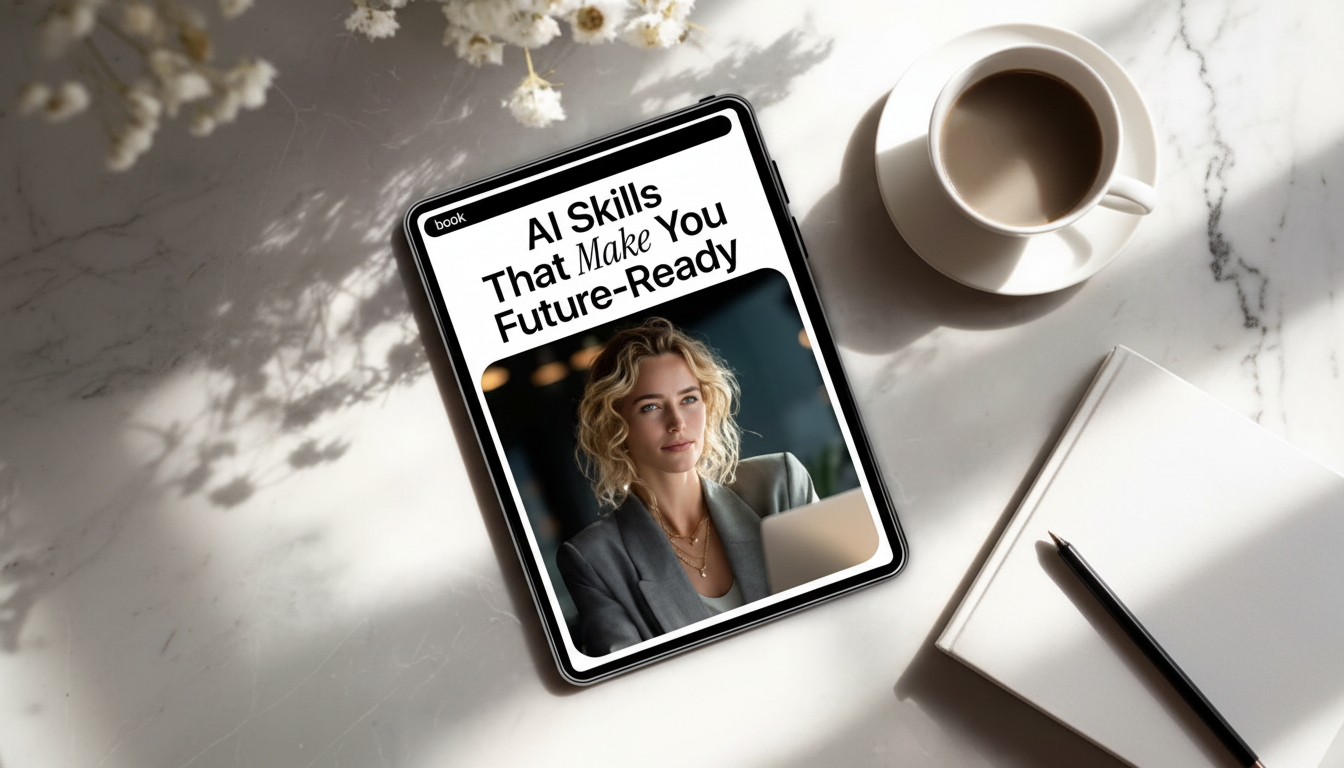
What AI skills should beginners learn first to stay future-ready?
Beginners can stay future-ready by building a small set of practical AI skills that transfer across tools, jobs, and industries. Start with fundamentals you can practice weekly: how AI works at a high level, how to use AI responsibly, and how to apply it to real tasks like writing, analysis, and workflow automation.
1) AI literacy and core concepts
Learn what machine learning is, what large language models do well (and poorly), and why outputs can be wrong. You don’t need advanced math at first, but you should understand basics like training data, bias, hallucinations, and evaluation so you can trust-and-verify results.
2) Prompting and task framing
Focus on turning messy requests into clear instructions: define the goal, provide context, set constraints, and ask for a format. This skill stays valuable even as tools change because it’s really about problem definition and communication.
3) Data skills: spreadsheets first, then simple analytics
AI work often starts with organizing information. Get comfortable with Excel/Google Sheets, cleaning data, and summarizing it with pivots or basic charts. Then learn how to validate AI-generated insights against the underlying numbers.
4) Lightweight automation
Learn to connect tools and reduce repetitive work using no-code automation (like Zapier-style workflows) and simple scripts when needed. Even basic automations—routing customer questions, tagging tickets, drafting replies—create immediate value.
5) Responsible use and security basics
Know what not to share, how to handle sensitive data, and how to check for copyright or compliance issues. Future-ready beginners build trust by using AI safely and documenting decisions.
For a deeper roadmap with examples and skill-building ideas, visit this guide to future-ready AI skills.
FAQ
How do I practice AI skills without a technical background?
Pick one weekly workflow—summarizing notes, drafting emails, or analyzing a small spreadsheet—and improve it with an AI tool while double-checking accuracy. Track what worked, what failed, and refine your instructions and verification steps over time.















Leave a comment