
Real-Home Pantry Reset: Zones, Checklists & Easy Flow
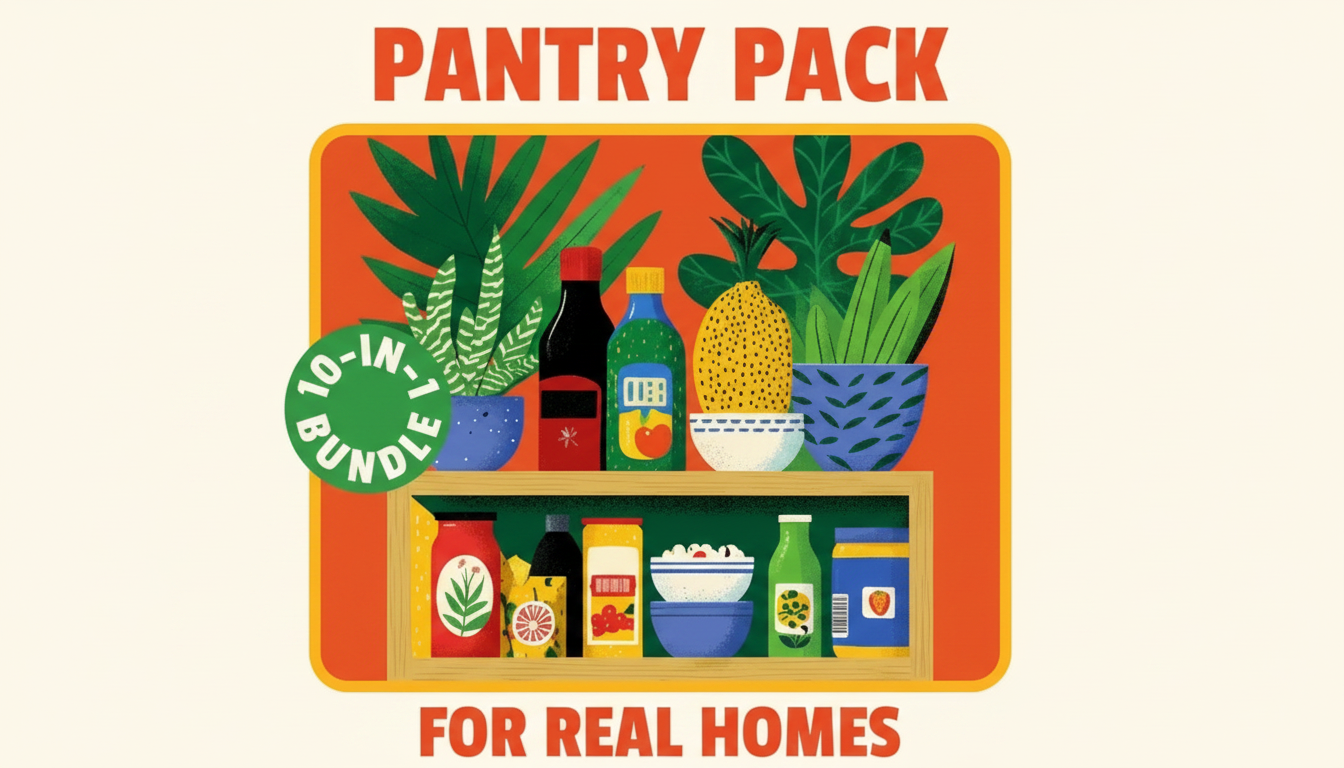
Back-to-Basics Pantry Pack for Real Homes: A Practical System for Effortless Kitchen Flow
A functional pantry doesn’t need to look perfect to work beautifully. The real win is faster meal prep, fewer duplicate purchases, and a layout that matches everyday routines—school lunches, quick dinners, and snacks on repeat. With a simple, repeatable reset (plus a lightweight maintenance rhythm), “where is it?” turns into a calm, predictable kitchen flow that holds up on busy weeks.
What “effortless kitchen flow” looks like in a real-home pantry
Effortless flow is less about matching containers and more about making the pantry behave the same way every day—so anyone in the house can find what they need and put it back without thinking.
- Store items where they’re used: breakfast items together, lunch-building items together, dinner staples together.
- Create clear zones: one shelf or one defined area per zone reduces decision fatigue and makes restocking more automatic.
- Visibility wins: labels, consistent container sizes, and a “front and center” rule for the most-used items.
- Contain backstock: duplicates live in one defined spot (not spread across every shelf).
- Use a reset routine: a quick weekly scan plus a short monthly mini-audit beats marathon organizing.
A simple pantry reset plan (no perfection required)
This plan is designed for real schedules. You can complete it in short sessions and still get a pantry that stays workable.
- Quick clear-out (one zone at a time): Pull just one category—snacks is usually the fastest place to start.
- Sort by function: Group foods by how they’re used (breakfast, baking, dinner starters, grab-and-go).
- Check dates and condition: Discard anything expired, stale, or contaminated (torn packaging, pests, odd odors). For food safety timelines, use the USDA FoodKeeper App and the FDA’s guidance on Food Storage and Food Safety.
- Choose your “container level”: Keep items in original packaging when practical; containerize only what spills, goes stale, or is hard to stack.
- Rebuild zones from most-used to least-used: Eye-level and easy-reach space is reserved for daily items.
- Add maintenance cues: Shelf labels, a running restock list, and one basket for “use soon” items.
What’s inside the Back-to-Basics Pantry Pack and how to use it
If organizing feels hard to maintain, the issue usually isn’t effort—it’s inconsistency. A repeatable framework keeps your pantry from drifting back into “random shelves.” The Back-to-Basics Pantry Pack for Real Homes is built to make the process simple and repeatable without chasing a showroom look.
- Guides: Choose zones that match real routines (not photo-styled pantries).
- Checklists: Standardize the steps—declutter, categorize, contain, label, maintain—so you don’t reinvent the process each time.
- eBooks: Quick reference for storage decisions (what needs airtight containers, what can stay boxed, what should be visible).
- Print what you’ll actually use: A reset checklist, restock list, and “use soon” tracker are often enough.
- Keep it lightweight: The best setup is the one you can maintain when life gets busy.
Pantry zones that work for most households
Zones turn a pantry from “a place to shove groceries” into a working system. Start with these core areas and adjust based on your household’s habits.
- Breakfast zone: cereal, oatmeal, spreads, coffee/tea, quick add-ons (nuts, dried fruit).
- Lunch zone: bread items, wraps, pantry proteins, chips/crackers, lunchbox add-ins.
- Dinner starters: pasta, rice, grains, canned tomatoes/beans, broths, sauces.
- Baking and sweet: flour, sugar, chocolate chips, baking powder/soda, extracts; keep tiny items in a bin.
- Snacks and grab-and-go: portion bins for kids; a separate “adult snack” bin prevents preference clashes.
- Backstock: duplicates only—kept in one shelf/bin; rotate using first-in-first-out (FIFO).
Quick zone map and placement guide
| Zone | Best location | Storage tip | Maintenance habit |
|---|---|---|---|
| Breakfast | Eye level | Use a bin for small packets; keep daily items forward | Weekly refill of packets/bars |
| Snacks | Lower shelf for kids | 2–4 labeled bins by type | One-bin limit per snack type |
| Dinner starters | Middle shelf | Group by cuisine or staple (pasta/grains/cans) | Monthly expiry scan |
| Baking | Upper shelf | Use a caddy or bin for tiny items | Wipe shelf after spills |
| Backstock | Highest/lowest shelf | One bin per category (paper goods, cans, etc.) | FIFO: move older to front |
Container and labeling choices that actually save time
For a quick, tidy corral on the countertop or pantry shelf, the Luxury 12-Inch Stainless Steel Decorative Tray for Home, Kitchen & Countertop makes it easier to lift and wipe under frequently used items. If you prefer a coordinated look for everyday spices, the Strawberry Ceramic Seasoning Jar Set can keep small seasonings contained and easier to spot at a glance.
Keeping the system going: weekly, monthly, and seasonal routines
If you want a guided approach you can repeat every month without overthinking, keep the Back-to-Basics Pantry Pack for Real Homes handy and treat it like a quick “reset playbook,” not a one-time project.
FAQ
How long does a pantry reset usually take?
A small pantry can take 30–60 minutes, while a larger pantry often takes 1.5–3 hours. For the easiest win, go zone-by-zone in 2–3 short sessions so you can stop without leaving everything piled on the counter.
Do airtight containers matter for pantry storage?
They matter most for foods that stale quickly, spill easily, or attract pests (like flour, sugar, cereal, and many snacks). Original packaging is fine for sturdy items like cans and jars—just keep dry goods sealed and label anything you decant.
What’s the easiest way to keep a pantry organized with kids at home?
Use kid-height snack bins with simple labels, limit how many choices go in each bin, and do a quick weekly refill. A separate “use soon” basket also helps prevent half-open snacks from spreading across every shelf.















Leave a comment