

AI Kitchen Toolkit: Cozy Winter Menus Made Easy
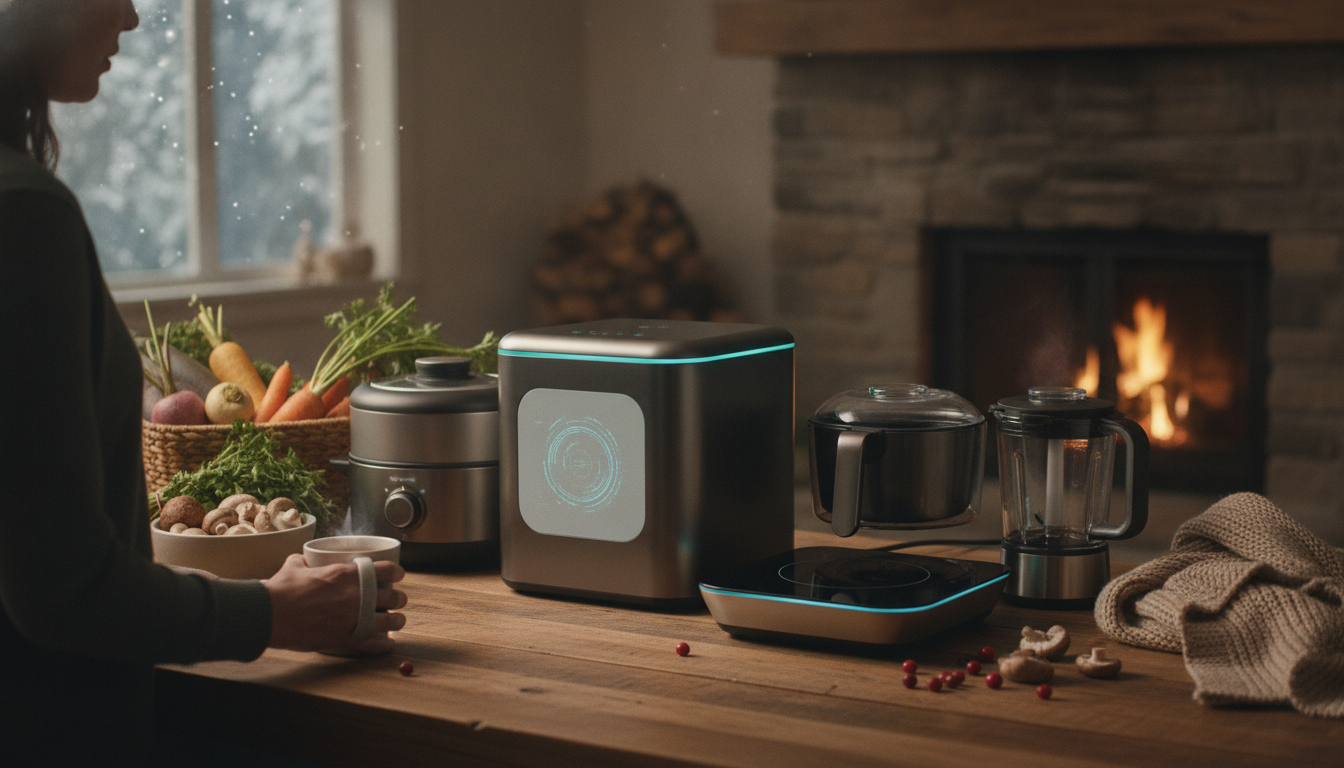
AI Kitchen Toolkit for Seasonal Menus: a 4-in-1 system for calm, cozy cold-weather cooking
Cold weather cooking rewards a little structure: longer simmers, batch-friendly recipes, and pantry-first shopping that makes the most of what’s already on hand. The AI Kitchen Toolkit for Seasonal Menus: 4-in-1 Bundle for Perfect Cold Weather Meals is designed to streamline seasonal menu building, ingredient planning, and cozy meal execution—so weeknights feel organized while weekends still leave room for slow-cooked comfort.
What this 4-in-1 bundle is built to solve
When temperatures drop, meal decisions tend to repeat: the same soup twice, the same pasta bake, the same rushed grocery run. This toolkit focuses on the pain points that make winter cooking feel heavy.
- Turn cold-weather cravings into balanced weekly menus without repeating the same soups and stews.
- Reduce decision fatigue by converting pantry and freezer staples into complete meals.
- Coordinate prep steps for multi-day cooking (broths, braises, roasted vegetables) so leftovers stay intentional.
- Keep flavor variety high while using seasonal produce and warming spices.
- Support portion planning for households, guests, and make-ahead lunches.
What’s inside and how each part supports winter cooking
Winter meals run smoother when planning, shopping, and prep speak the same language. This bundle breaks that into four complementary tools that work like a repeatable routine.
- Seasonal menu builder: organizes meal themes (comfort bowls, tray bakes, braises, soups) by week and occasion.
- Recipe and variation generator: creates alternatives for dietary preferences and ingredient swaps (e.g., beans for meat, gluten-free thickeners).
- Shopping and inventory planner: converts menus into categorized lists and highlights what can be used from pantry/freezer first.
- Prep and timing assistant: groups steps into efficient blocks (chop once, roast once, simmer once) for minimal weeknight workload.
- Best-fit for: people who batch cook, host winter gatherings, or want a repeatable system for seasonal meals.
Bundle parts and practical cold-weather uses
| Bundle part | Best for | Example outcomes |
|---|---|---|
| Seasonal menu builder | Weekly structure | A 5-day plan mixing soups, sheet-pan meals, and one slow-cooker night |
| Recipe variations | Diet and preference flexibility | Chili with turkey, lentils, or mixed beans; mild-to-spicy heat levels |
| Shopping & inventory planner | Fewer trips, less waste | List grouped by produce/protein/pantry with pantry-first substitutions |
| Prep & timing assistant | Batch cooking efficiency | A 90-minute prep block that covers 3 dinners + 2 lunches |
Cold-weather meal patterns the toolkit handles well
The easiest way to keep winter food interesting is to cook in patterns—so one effort becomes multiple meals with different shapes and flavors.
- Soup-to-stew ladder: start with brothy soups early week, move to thicker stews later using leftover roasted vegetables and proteins.
- Roast once, remix twice: roast a tray of carrots/squash/onions; reuse in grain bowls, soups, and pasta bakes.
- Slow-cook centerpiece nights: plan braises, pulled proteins, or bean pots that become tacos, sandwiches, and bowls.
- Freezer-friendly rotation: schedule one freezer-reheat dinner after a heavy-cook day to keep the week realistic.
- Warm spice palette mapping: align meals by flavor families (garlic-herb, smoky paprika, ginger-scallion, curry) to avoid monotony.
How to set up a week of cozy meals in under 20 minutes
This is the fast setup that makes the rest of the week feel lighter. The goal isn’t a rigid plan—it’s a menu framework that can flex if plans change.
For nutrition balance across the week, focus on repeatable patterns—vegetables plus protein plus a satisfying carb—then rotate flavors. Harvard’s guidance on healthy eating patterns is a useful reference for building variety without overcomplicating it: The Nutrition Source (Harvard T.H. Chan School of Public Health).
Ingredient strategies that make winter cooking cheaper and easier
When batch cooking, safe cooling and storage matters as much as seasoning. For practical, kitchen-friendly guidelines on handling leftovers, reference the USDA’s food safety basics: USDA FSIS: Leftovers and Food Safety.
Serving, garnishes, and table-ready finishing touches
- Use contrast toppings: crunchy (croutons, toasted seeds), fresh (herbs, scallions), and tangy (yogurt, pickled onions) to brighten heavy dishes.
- Set up a garnish station: a small tray with oils, herbs, spices, and finishing salts keeps bowls interesting—try a counter-ready organizer like the Luxury 12-Inch Stainless Steel Decorative Tray for Home, Kitchen & Countertop.
- Portion for leftovers on purpose: store one “lunch box” portion immediately to protect next-day meals.
- For entertaining: scale one pot dish + one salad + one bread option; time everything so the main finishes as the salad gets dressed.
To keep spices and finishing salts within reach (especially when rotating flavor families), a dedicated set can help keep the routine tidy—like the Strawberry Ceramic Seasoning Jar Set.
FAQ
Does the bundle help with dietary preferences like vegetarian or lower-sodium meals?
Yes—its recipe variation and substitution support makes it easy to swap proteins (beans or lentils instead of meat), adjust heat, and lean on herb-forward seasoning. Shopping lists can reflect those changes by prioritizing lower-sodium broth options and flavor builders like citrus, vinegar, garlic, and spices.
How does it reduce food waste during the winter season?
It emphasizes pantry-first planning, ingredient overlap across meals, and intentional leftover labeling (e.g., “soup starter” instead of “random container”). Scheduling a freezer-reheat night also helps prevent overcooking midweek and gives leftovers a clear role.
Can it plan meals for batch cooking and freezing?
Yes—plan one or two “cook once” anchors, portion them into meal-size containers, label by dish and date, and then schedule reheat nights later in the week. Follow standard food-safety guidance for cooling and refrigeration/freezer timing so meals stay both convenient and safe.
Recommended for you

Safe DIY Dog Toy Materials: Silicone, Rubber, Wood
Jul 27, 2026













Leave a comment