-
Shop
- Adidas
- Advanced Technologies
- AI Career Advantage Collection
- AI Skills for Creators & Freelancers
- AI Client Management
- AI Ethics
- AI Mindset
- AI Tools & Prompts
- AI Writing & Content Creation
- Audio, Voice & Music
- Design & Visual Creation
- Email, Messaging & Communication
- Freelancing & Business
- Marketing, Ads & Conversion
- Productivity, Workflow & Automation
- SEO & Search Optimization
- Social Media Content & Growth
- Strategy, Planning & Analytics
- Video Creation & Editing
- AI Skills Mastery 2026 Collection
- Bathroom
- Best-Sellers
- Car Accessories
- Confidence
- Dating & Social Skills
- Digital Resources
- AI & Technology
- AI Skills
- Beauty
- Budgeting & Saving
- Car Buying & Ownership
- Cozy Feast Collection
- Dating & Social Confidence
- Electronics & Technology
- Entrepreneurship & Business Growth
- Financial Education
- Financial Independence
- Financial Mindset & Psychology
- Goal Setting
- Hobbies
- Home Styling & Organization
- Kitchen & Cooking
- Kitchen & Recipes
- Leadership
- Mindfulness
- Mindset
- Online Business
- Parenting & Child Development
- Personal Style & Fashion
- Pet Lifestyle & Wellness
- Positive Thinking
- Sleep Improvement
- Smart Life with AI
- Stress Management & Relaxation
- Travel Planning
- Wellness
- Wellness & Self-Care
- Yoga & Fitness
- Yoga & Mind-Body Practices
- Education & Learning
- Family & Parenting
- Fashion
- Furniture
- Gadgets
- Health & Beauty
- Health & Wellness
- Home & Garden
- Home Decor
- Home Electronics
- Kids & Babies
- Kitchen
- Kitchen Best-Sellers
- Lighting
- Luxury Brands Collection
- Nike
- Online Business for Beginners
- Patio, Lawn & Garden
- Personal Growth
- Pet Care
- Pet Supplies
- Pets
- Smart Amazon Shopping
- Sport & Outdoors
- Stress Relief & Relaxation
- TikTok Growth & Monetization Mastery
- Travel
- Travel & Adventure
- Wealth
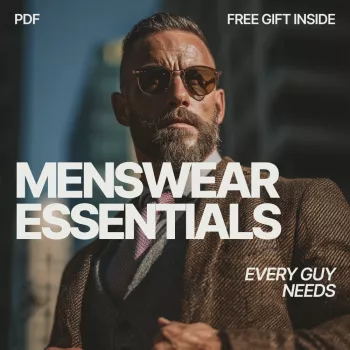
Menswear Essentials: Build a Sharp Wardrobe That Works

Menswear Essentials Every Guy Needs: A Complete Guide to Building Your Perfect Wardrobe
A strong wardrobe starts with a small set of dependable pieces that fit well, mix easily, and work across seasons. Use this guide to build a practical foundation—then add personality through color, texture, and a few signature accessories. If you want a ready-to-follow checklist you can keep on your phone, the digital guide Menswear Essentials Every Guy Needs: A Complete Guide to Building Your Perfect Wardrobe makes it easy to shop and refine your closet without overbuying.
Start With the Foundations: Fit, Color, and Versatility
Before chasing trends, lock in the fundamentals. Clothes that fit and coordinate will make even basic outfits look intentional.
- Prioritize fit over logos: Look for clean shoulder seams, comfortable arm movement, and trousers that sit correctly at the waist. If one adjustment changes everything, it’s hemming—especially on pants.
- Build around neutrals: Navy, charcoal, white, black, olive, and mid-wash denim create a “core palette” that multiplies combinations without feeling repetitive.
- Match fabric to real life: Cotton is the daily driver. Wool adds structure and temperature control (the Woolmark Company has helpful care and fabric info). Performance blends are great for commuting, travel, and all-day comfort.
- Use the three-pair rule: Any new purchase should work with at least three items already in your closet. That single habit prevents the “nothing goes together” problem.
The Core Tops: Tees, Shirts, and Knitwear
Tops do most of the visual work. The goal is to cover casual, smart-casual, and formal layering with minimal overlap.
- Crewneck T-shirts: Own 2–3 in white, black, and/or gray. Choose mid-weight cotton for better drape and longevity—thin tees often twist and fade faster.
- Oxford cloth button-down (OCBD): The workhorse shirt for casual offices, dinners, and weekends. It looks right untucked with jeans and sharp under a jacket.
- Dress shirts: One crisp white and one light blue cover interviews, ceremonies, and formal layers. Keep collars structured and fabric opaque.
- Sweaters: A merino crewneck reads refined without trying. Add a cardigan for easy temperature control and a clean, minimal hoodie for off-duty comfort.
- Outer-layer shirt: An overshirt or flannel works as a light jacket in transitional weather and adds texture over a tee.
If you wear light blue jeans often, a dedicated set of combos helps you get more mileage out of them without feeling like you’re repeating outfits. The downloadable Outfit Ideas for Light Blue Jeans – Easy Everyday & Chic Styling Guide is a simple way to rotate looks while staying in a cohesive palette.
The Core Bottoms: Jeans, Chinos, and Trousers
Build a small lineup of bottoms that can flex from casual to elevated. Fit matters most through the rise, seat, and hem.
- Dark indigo jeans: The most versatile denim for casual-to-smart transitions. Skip heavy distressing for maximum range and a cleaner silhouette.
- Chinos in khaki and navy: Reliable for work, travel, and nights out. A straight or slim-straight leg looks modern without feeling restrictive.
- Wool trousers: One pair in charcoal or mid-gray elevates sweaters, OCBDs, and dress shirts instantly. A subtle taper modernizes the line without going skinny.
- Shorts: Tailored chino shorts in neutral tones. Keep inseam proportional—often 5–7 inches for a contemporary look (adjust for height and comfort).
- Belt strategy: Match leather belts to shoes: black with black shoes; brown/tan with brown shoes.
Shoes That Cover Every Scenario
Shoes can make a simple outfit look polished or sloppy. A compact rotation covers nearly every setting.
Essential wardrobe checklist and best-use occasions
| Category | Essentials to own | Best for | Easy pairings |
|---|---|---|---|
| Tops | 2–3 crewneck tees, OCBD, white & light blue dress shirt, merino sweater | Daily wear, smart-casual, interviews | Jeans, chinos, wool trousers, overshirt |
| Bottoms | Dark jeans, khaki chinos, navy chinos, gray wool trousers | Work, travel, evenings, events | Sneakers, boots, loafers, blazer |
| Outerwear | Denim jacket or bomber, rain shell, wool coat | Layering, bad weather, cold months | Tees + sweater, OCBD, trousers |
| Shoes | White sneakers, chukkas/boots, black oxfords or brown derbies | Casual through formal | Chinos, denim, wool trousers |
| Accessories | Leather belt, watch, socks, simple bag | Finishing touches, practicality | Any core outfit |
Outerwear That Pulls Everything Together
- Casual jacket: A denim jacket, bomber, or chore coat adds everyday structure and works over tees, OCBDs, and light knits.
- Rain protection: A lightweight shell or trench is ideal for commutes and travel. Prioritize packability and a hood that actually stays put.
- Cold-weather coat: A wool topcoat in navy or charcoal creates a sharp silhouette over suits or knitwear. For broader fashion context, the CFDA is a useful reference point on American style and design.
- Seasonal layering: A quilted liner or puffer vest adds warmth without bulk, especially in fall and early spring.
Accessories and Grooming Details That Upgrade Any Outfit
How to Build Your Wardrobe in Three Steps
Budget rule of thumb: Spend more on footwear and outerwear (they take the most wear and define the silhouette). Save on tees and trend items. For ongoing inspiration and styling ideas, GQ’s men’s style section is a solid resource.
FAQ
How many outfits should a basic wardrobe be able to make?
A practical target is 20–30 combinations from a small capsule. Neutrals make mixing easier, and layering (tee + overshirt, OCBD + sweater, coat + scarf) multiplies outfits quickly—especially when you rotate shoes.
What are the most important items to buy first?
Start with fit-focused basics: a couple of quality tees, dark jeans, chinos, and clean sneakers. Next, add an OCBD and a versatile jacket so you can cover casual and smart-casual situations without overthinking.
How can a wardrobe look better without buying a lot more?
Hem pants, care for shoes, and keep a consistent color palette so everything works together. Replace the most worn basics first, then add one elevated layer—like a merino sweater—to make simple outfits look sharper.
Recommended for you

Was this article helpful?
Yes
No






Leave a comment