

Mental Health Travel Checklist for Calm, Clarity & Care
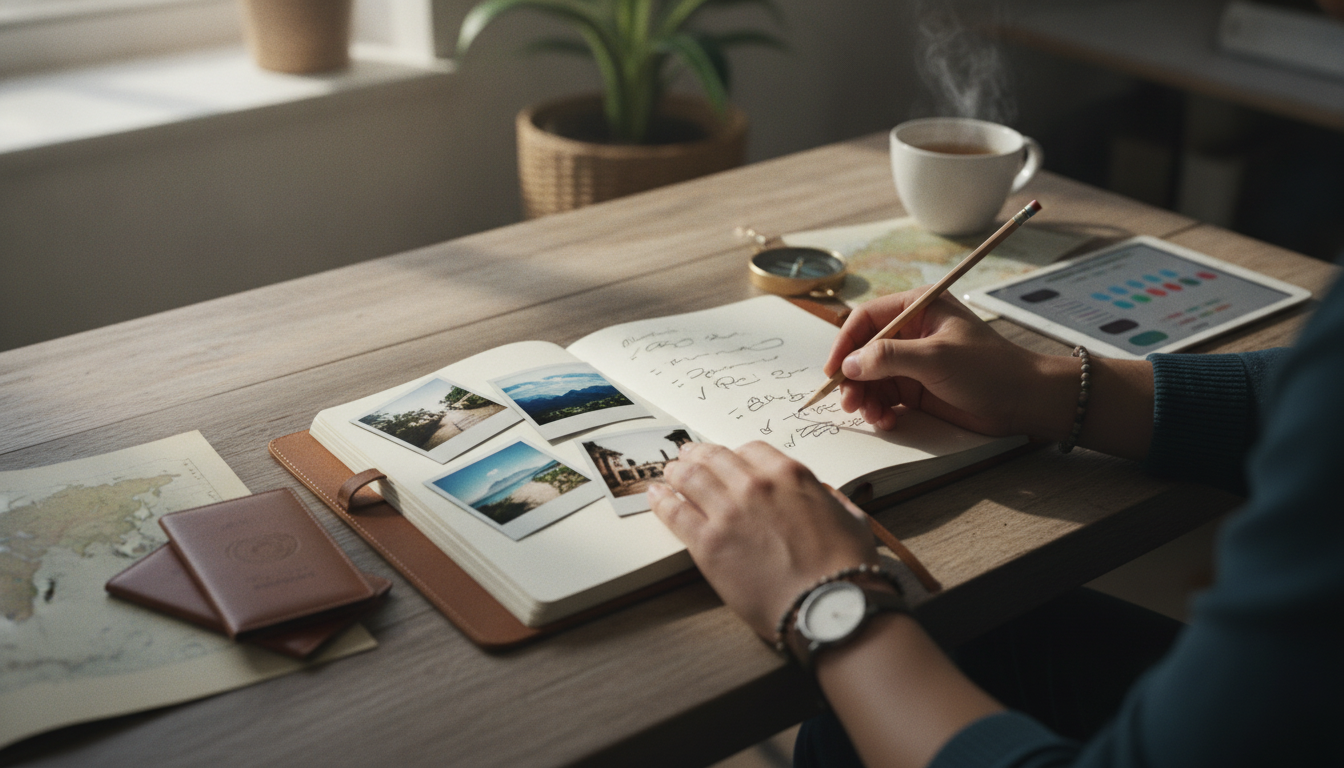
Travel Your Way to a Healthier Mind: A Simple Checklist for Calm, Clarity, and Self-Care
Travel can be more than a change of scenery—it can be a practical reset for stress, mood, and mental clarity when planned with intention. A few mindful choices before you go (and a couple steady habits while you’re away) can help you come home feeling more rested, connected, and emotionally balanced—rather than depleted.
Below is a simple, realistic framework to make travel feel supportive. If you like having everything in one place, the Travel Your Way to a Healthier Mind Checklist (digital download) is an easy way to keep your intention, pacing, and daily self-care cues together.
Why travel can support mental well-being
When daily life feels repetitive or heavy, the brain tends to run on “autopilot.” A different environment can interrupt that loop in a helpful way—shifting attention, refreshing perspective, and making space for rest.
- A new setting can break stress patterns. Even small changes—new streets, new sounds, different light—can prompt more present-moment awareness.
- Time away creates breathing room. Distance from routine responsibilities can support rest, reflection, and a better sleep rhythm.
- Novelty boosts motivation. Learning, curiosity, and “first-time” experiences can lift mood and create positive momentum.
- Shared moments strengthen connection. Social support is a protective factor for resilience, and travel can create natural opportunities to bond.
- Short trips still count. A day trip, weekend getaway, or local staycation can offer many of the same benefits when planned mindfully.
For general coping and stress resources, you can also explore guidance from the American Psychological Association and the CDC.
A realistic pre-trip self-care plan (so travel feels supportive, not stressful)
The goal isn’t a “perfect” itinerary—it’s a plan that matches your energy and protects your mood. Think of pre-trip planning as emotional load management: fewer last-minute decisions, more built-in ease.
- Choose a trip intention. Rest, reconnection, confidence-building, creativity, or closure from a stressful season—pick one main theme.
- Set energy boundaries early. Decide how many “big activities” per day feels sustainable (often 1–2 is plenty).
- Plan buffers. Add unstructured time so you’re not rushing from one thing to the next.
- Pack mental comfort items. A calming playlist, a book, journaling prompts, grounding scents, or a small morning/evening routine.
- Reduce stress triggers. Confirm reservations, check transportation options, and store key info in one spot (notes app or a printed page).
- Create an anxiety plan. If travel reliably spikes anxiety, decide ahead of time what helps: breathing, supportive contacts, and a gentle fallback schedule.
Pre-trip checklist: match the plan to the mind
| Need | Travel-friendly choice | Quick example |
|---|---|---|
| More calm | Lower-stimulation lodging + slower mornings | Pick a quiet room; schedule one café breakfast without a timeline |
| More connection | One planned social moment per day | Book a walking tour or call a friend during a scenic break |
| More confidence | Small, achievable challenges | Try one new food or visit one unfamiliar neighborhood |
| More restoration | Sleep and hydration protected | Set a bedtime window; carry a water bottle and snack |
During the trip: daily habits that protect your mood and energy
Travel can be stimulating—fun, but still taxing. A few steady “guardrails” make it easier to enjoy the good parts without crashing later.
If your trip includes a lot of walking, comfortable footwear can support your energy and reduce friction. Consider packing a dependable pair like Adidas Men’s Green Suede Sneakers to make movement feel easier and more enjoyable.
Mindful experiences that amplify the mental health benefits of traveling
If food is part of your travel joy, building one low-pressure “home base” meal after you return can extend the comfort. A small kitchen refresh like the Strawberry Ceramic Seasoning Jar Set can make simple cooking feel more inviting and grounded.
After the trip: turn a good reset into lasting support
One practical way to keep “vacation calm” visible is to create a dedicated landing spot for keys, sunglasses, and daily essentials. A catch-all like the Luxury 12-Inch Stainless Steel Decorative Tray for Home, Kitchen & Countertop can make your re-entry feel more organized and less mentally noisy.
Printable support: a ready-to-use self-care travel checklist
If you want a ready-to-print version, start here: Travel Your Way to a Healthier Mind Checklist (digital download).
FAQ
Can traveling help with stress and burnout?
It can support recovery by creating distance from daily demands, adding healthy novelty, and making space for rest—especially when you pace activities and protect sleep. Travel isn’t a substitute for professional care, but it can be a helpful complement when stress feels chronic.
What if travel makes anxiety worse?
Try shorter trips, familiar destinations, and flexible schedules with built-in buffers, plus grounding tools like breathing routines and predictable anchor habits. If anxiety is severe, persistent, or disruptive, consider speaking with a qualified professional before or after your trip.
How do you keep the mental benefits after coming home?
Plan a gentle re-entry day, reflect on what helped most, and keep one “souvenir habit” that fits your real life. Memory cues like a playlist or photo can also reinforce calm and positive emotions when routine stress returns.
Recommended for you



Unshakable Guide: Build Social Confidence in 14 Days
Jul 31, 2026
Dog Losing Fur in Patches: Causes, Clues, and Care
Jul 31, 2026













Leave a comment