-
Shop
- Adidas
- Advanced Technologies
- AI Career Advantage Collection
- AI Skills for Creators & Freelancers
- AI Client Management
- AI Ethics
- AI Mindset
- AI Tools & Prompts
- AI Writing & Content Creation
- Audio, Voice & Music
- Design & Visual Creation
- Email, Messaging & Communication
- Freelancing & Business
- Marketing, Ads & Conversion
- Productivity, Workflow & Automation
- SEO & Search Optimization
- Social Media Content & Growth
- Strategy, Planning & Analytics
- Video Creation & Editing
- AI Skills Mastery 2026 Collection
- Bathroom
- Best-Sellers
- Car Accessories
- Confidence
- Dating & Social Skills
- Digital Resources
- AI & Technology
- AI Skills
- Beauty
- Budgeting & Saving
- Car Buying & Ownership
- Cozy Feast Collection
- Dating & Social Confidence
- Electronics & Technology
- Entrepreneurship & Business Growth
- Financial Education
- Financial Independence
- Financial Mindset & Psychology
- Goal Setting
- Hobbies
- Home Styling & Organization
- Kitchen & Cooking
- Kitchen & Recipes
- Leadership
- Mindfulness
- Mindset
- Online Business
- Parenting & Child Development
- Personal Style & Fashion
- Pet Lifestyle & Wellness
- Positive Thinking
- Sleep Improvement
- Smart Life with AI
- Stress Management & Relaxation
- Travel Planning
- Wellness
- Wellness & Self-Care
- Yoga & Fitness
- Yoga & Mind-Body Practices
- Education & Learning
- Family & Parenting
- Fashion
- Furniture
- Gadgets
- Health & Beauty
- Health & Wellness
- Home & Garden
- Home Decor
- Home Electronics
- Kids & Babies
- Kitchen
- Kitchen Best-Sellers
- Lighting
- Luxury Brands Collection
- Nike
- Online Business for Beginners
- Patio, Lawn & Garden
- Personal Growth
- Pet Care
- Pet Supplies
- Pets
- Smart Amazon Shopping
- Sport & Outdoors
- Stress Relief & Relaxation
- TikTok Growth & Monetization Mastery
- Travel
- Travel & Adventure
- Wealth
DIY Pet Toy Choking Hazards: Quick Safety Checks
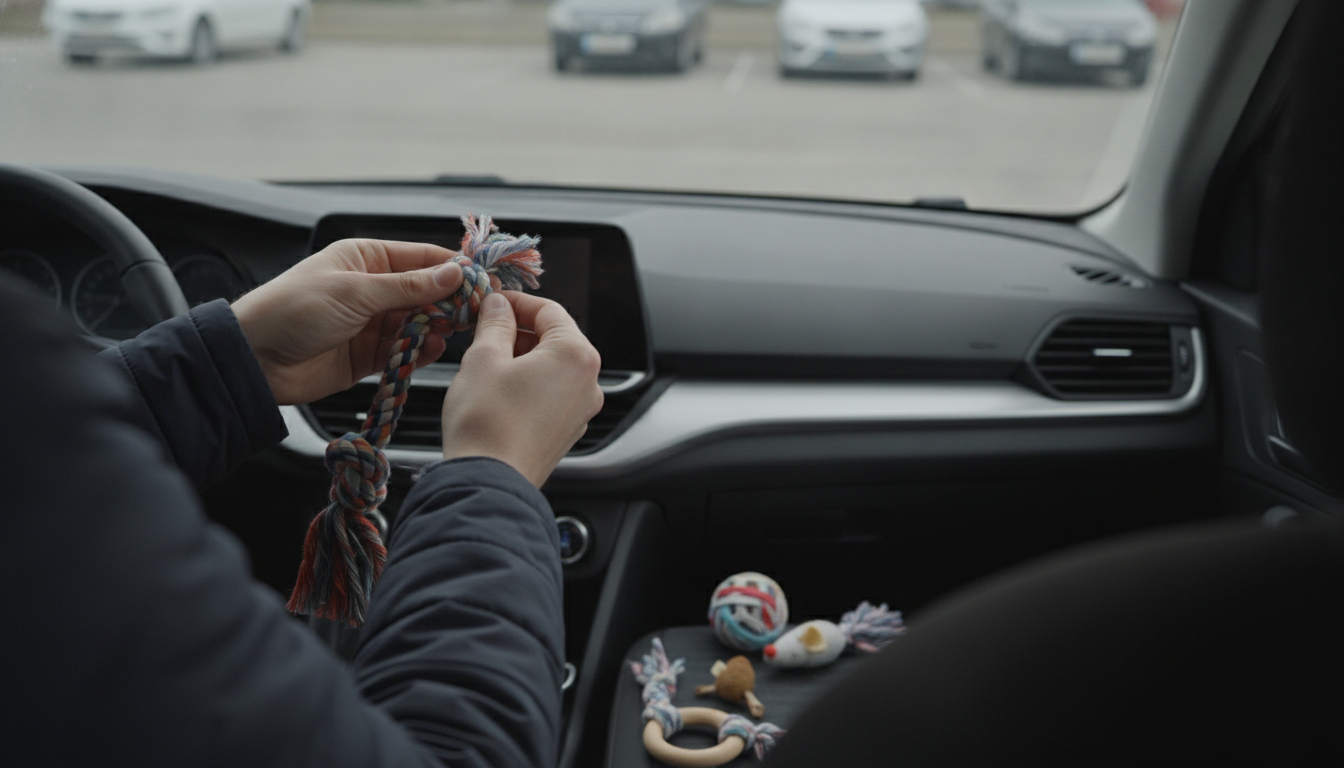
How do I know if a DIY pet toy is a choking hazard?
A DIY pet toy becomes a choking hazard when any part of it can fit into your pet’s mouth in a way that could block the airway, break off under chewing, or be swallowed whole. The safest first check is size: if a piece is small enough to be fully mouthed or gulped, it’s too small. For dogs, a practical rule is to avoid parts smaller than the width of your dog’s mouth and to be extra cautious with “just big enough” items that can slip back toward the throat.
Next, test for detachability. Tug hard on knots, seams, glued joints, and any add-ons (bells, buttons, eyes, squeakers, ribbons). If you can pull it off with your hands, a determined chewer can pull it off with teeth. Pay special attention to toys made from multiple materials, because different textures often separate where they meet.
Material behavior matters as much as size. Brittle plastics, dried rawhide-like strips, thin wood, and low-quality rubber can crack or splinter into sharp chunks. Fabric toys can be risky if they shred into strings, since long threads can be swallowed and create serious internal problems. If the toy frays quickly after a few minutes of chewing or shaking, it’s not a safe DIY build.
Do a “stress chew” simulation before handing it over: twist, bend, and pull the toy in multiple directions, then re-check for new cracks, loose fibers, or weakened seams. Also consider wet conditions—saliva can soften cardboard, loosen some glues, and make fabric tear more easily.
Finally, match the toy to your pet’s play style. A gentle mouther may do fine with soft fleece, while a power chewer may turn that same toy into swallowable strips fast. When in doubt, supervise all DIY toys and retire them at the first sign of damage. For a more detailed safety checklist on materials, builds, and risks, see this DIY pet toy safety guide.
FAQ
What materials are safest for DIY pet toys?
Choose durable, non-splintering materials that don’t shed strings easily, such as tightly woven fleece or sturdy rope made for pets. Avoid brittle plastics, glued-on decorations, and anything that cracks, splinters, or frays quickly under pulling and chewing.
Recommended for you

Was this article helpful?
Yes
No








Leave a comment