-
Shop
- Adidas
- Advanced Technologies
- AI Career Advantage Collection
- AI Skills for Creators & Freelancers
- AI Client Management
- AI Ethics
- AI Mindset
- AI Tools & Prompts
- AI Writing & Content Creation
- Audio, Voice & Music
- Design & Visual Creation
- Email, Messaging & Communication
- Freelancing & Business
- Marketing, Ads & Conversion
- Productivity, Workflow & Automation
- SEO & Search Optimization
- Social Media Content & Growth
- Strategy, Planning & Analytics
- Video Creation & Editing
- AI Skills Mastery 2026 Collection
- Bathroom
- Best-Sellers
- Car Accessories
- Confidence
- Dating & Social Skills
- Digital Resources
- AI & Technology
- AI Skills
- Beauty
- Budgeting & Saving
- Car Buying & Ownership
- Cozy Feast Collection
- Dating & Social Confidence
- Electronics & Technology
- Entrepreneurship & Business Growth
- Financial Education
- Financial Independence
- Financial Mindset & Psychology
- Goal Setting
- Hobbies
- Home Styling & Organization
- Kitchen & Cooking
- Kitchen & Recipes
- Leadership
- Mindfulness
- Mindset
- Online Business
- Parenting & Child Development
- Personal Style & Fashion
- Pet Lifestyle & Wellness
- Positive Thinking
- Sleep Improvement
- Smart Life with AI
- Stress Management & Relaxation
- Travel Planning
- Wellness
- Wellness & Self-Care
- Yoga & Fitness
- Yoga & Mind-Body Practices
- Education & Learning
- Family & Parenting
- Fashion
- Furniture
- Gadgets
- Health & Beauty
- Health & Wellness
- Home & Garden
- Home Decor
- Home Electronics
- Kids & Babies
- Kitchen
- Kitchen Best-Sellers
- Lighting
- Luxury Brands Collection
- Nike
- Online Business for Beginners
- Patio, Lawn & Garden
- Personal Growth
- Pet Care
- Pet Supplies
- Pets
- Smart Amazon Shopping
- Sport & Outdoors
- Stress Relief & Relaxation
- TikTok Growth & Monetization Mastery
- Travel
- Travel & Adventure
- Wealth
Automatic Car Wash Guide: Touchless vs Soft-Touch
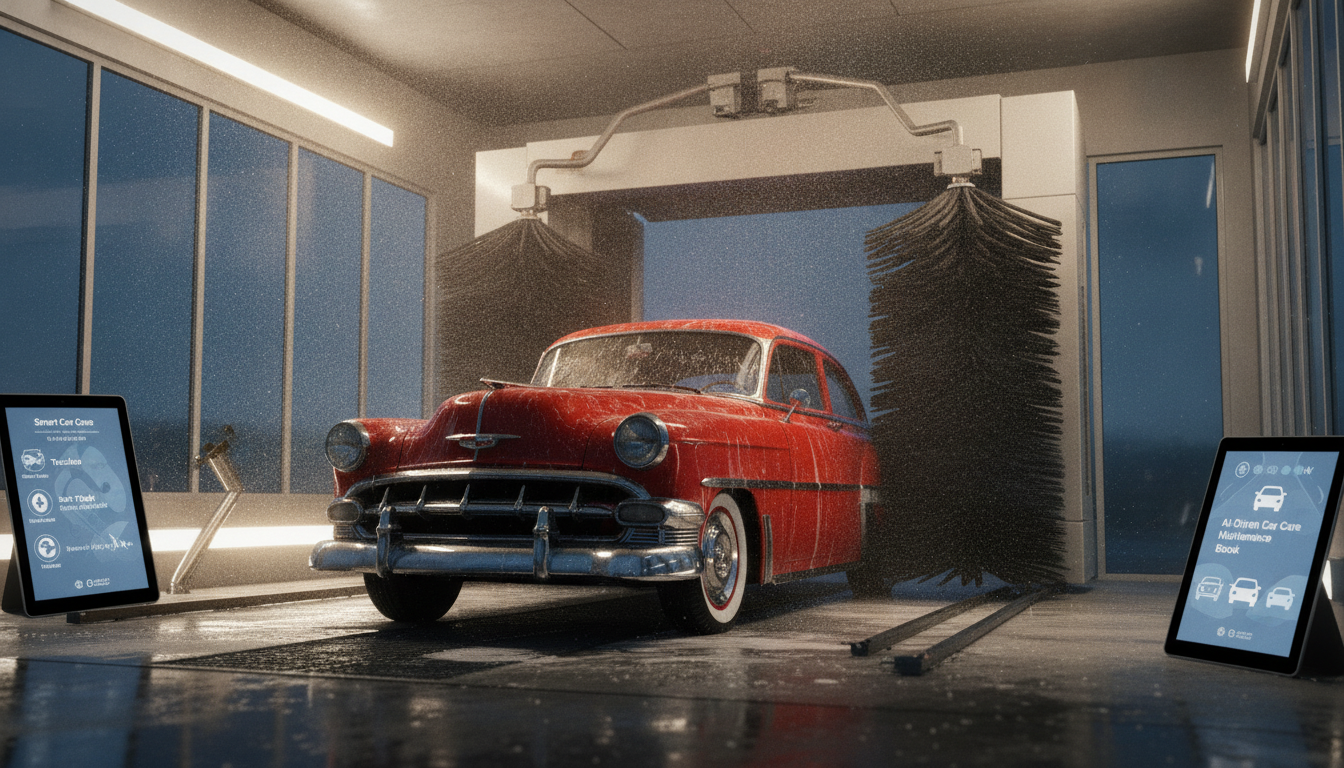
When an Automatic Car Wash Makes Sense (and When It Doesn’t)
Automatic car washes are a practical tool when the goal is “clean enough, consistently,” without turning your weekend into a detailing session. They’re especially useful during winter road salt season, high-pollen weeks, frequent highway driving, and any stretch when your schedule is tight or you live in an apartment without hose access.
There are also clear times to skip the tunnel. Avoid automatic washes right after fresh paint work, during the curing window for ceramic coatings, on delicate vinyl wraps, or when the vehicle is heavily caked in mud. Thick grit should be knocked off first (even a simple self-serve rinse) so you’re not dragging abrasive debris across paint.
If you’re worried about marring, watch for risk factors: visibly dirty wash media, a poorly maintained tunnel, recycled water that looks gritty, or rushed towel-drying with questionable rags. A time-saving compromise many busy drivers like is a quick touchless wash, then a targeted hand wipe on exterior glass and mirrors with a clean microfiber to restore clarity.
Types of Automatic Washes: Touchless vs Soft-Touch vs Full-Service
The best choice depends on how picky you are about paint, how dirty the car is, and how well your local wash maintains equipment.
| Wash type | Best for | Typical downsides | Smart upgrade |
|---|---|---|---|
| Touchless | Regular maintenance washes; coated vehicles; winter salt removal | May miss heavy grime; can be harsh if chemicals are strong | Apply a spray sealant every few washes for easier cleaning |
| Soft-touch (cloth/foam) | Better cleaning power; light-to-moderate dirt | Swirl risk if media is dirty or worn | Choose newer locations with visible maintenance routines |
| Older brush systems | Only when no other option exists | Higher chance of scratches and haze | Limit frequency; use a paint-friendly protectant afterward |
| Full-service tunnel | Drivers who value convenience and quick drying | Variable towel cleanliness; rushed interior work | Bring a clean microfiber for final glass touch-up |
Touchless systems rely on detergents and high-pressure water. That usually means lower scratch risk, but if chemistry is weak (or your car is very dirty), traffic film can linger. Soft-touch cloth/foam can clean better, but only when the wash media is routinely washed, replaced, and kept free of embedded grit. Older brush-style systems are the most likely to leave visible swirls—especially on dark colors—and are best avoided if you have alternatives.
A 60-Second Decision Checklist Before Pulling In
Before you buy a package, take one lap with your eyes. Is the entrance area clean? Is the bay organized? Does the equipment look modern and cared for? If you can see the wash media, cloth/foam should look fresh—not gray, stiff, or frayed.
On peak muddy days, soft-touch can become a swirl factory if the system is overloaded. After heavy storms, touchless is often the safer bet. If your paint already shows swirls, focus on minimizing friction: go touchless more often, keep protection on the car, and don’t “chase perfection” with aggressive add-ons that increase contact.
How to Choose a Wash Package Without Overpaying
Most menus are designed to upsell, but a few features consistently earn their keep.
Core must-haves
Choose a package with a pre-soak, a thorough rinse, and a spot-free final rinse. In winter (or anywhere roads are salted), add an undercarriage rinse—it’s one of the simplest ways to reduce long-term corrosion risk.
Nice-to-haves
A basic sealant/wax step can help water bead and reduce how hard dirt sticks. A stronger dryer pass is also worthwhile because it reduces towel contact afterward (where many fine scratches happen).
Often skippable
Protect Your Paint and Trim: Small Habits That Prevent Big Wear
A Simple Maintenance Rhythm for Busy Schedules
Smart Checklist + AI-Friendly Tracking for Consistency
Recommended Resource for a Ready-to-Use Checklist
For a structured, quick-reference system, see Shine Smart or Skip It – Automatic Car Wash Guide, Smart Car Care Checklist, AI-Driven Vehicle Maintenance eBook for Busy Drivers (digital, easy to keep on your phone).
To keep your at-home supplies organized between washes, a simple “drop zone” can help—like the Luxury 12-Inch Stainless Steel Decorative Tray for Home, Kitchen & Countertop for keys, towels, and small bottles. If you prefer a dedicated spot in a garage or entryway, the Wabi-Sabi Style Vintage Hourglass Side Table can act as a compact staging surface for quick grab-and-go items.
Helpful References on Car Washing and Best Practices
- International Carwash Association (consumer resources)
- U.S. Environmental Protection Agency (vehicle washing and runoff guidance)
- SAE International (automotive standards and technical resources)
FAQ
Do automatic car washes damage paint?
They can, but the risk depends on the wash type and maintenance. Touchless washes typically reduce scratch risk, while poorly maintained soft-touch or older brush systems are more likely to create swirl marks—especially if drying is rushed or towels are dirty.
Is touchless always better than soft-touch?
Not always. Touchless is usually gentler but may clean less if the chemistry is mild, while soft-touch often cleans better when the cloth/foam media is well maintained. Choose based on your paint’s condition, vehicle color, and how good your local wash is.
Which car wash add-ons are worth paying for?
Undercarriage rinse in winter, a spot-free final rinse, and a real sealant step are typically the best value. Be cautious with vague “wax” upgrades and overly glossy tire dressings; testing one add-on at a time makes it easier to tell what actually improves results.
Recommended for you



Was this article helpful?
Yes
No







Leave a comment