-
Shop
- Adidas
- Advanced Technologies
- AI Career Advantage Collection
- AI Skills for Creators & Freelancers
- AI Client Management
- AI Ethics
- AI Mindset
- AI Tools & Prompts
- AI Writing & Content Creation
- Audio, Voice & Music
- Design & Visual Creation
- Email, Messaging & Communication
- Freelancing & Business
- Marketing, Ads & Conversion
- Productivity, Workflow & Automation
- SEO & Search Optimization
- Social Media Content & Growth
- Strategy, Planning & Analytics
- Video Creation & Editing
- AI Skills Mastery 2026 Collection
- Bathroom
- Best-Sellers
- Car Accessories
- Confidence
- Dating & Social Skills
- Digital Resources
- AI & Technology
- AI Skills
- Beauty
- Budgeting & Saving
- Car Buying & Ownership
- Cozy Feast Collection
- Electronics & Technology
- Entrepreneurship & Business Growth
- Financial Education
- Financial Independence
- Financial Mindset & Psychology
- Goal Setting
- Hobbies
- Home Styling & Organization
- Kitchen & Recipes
- Leadership
- Mindfulness
- Mindset
- Online Business
- Parenting & Child Development
- Personal Style & Fashion
- Pet Lifestyle & Wellness
- Positive Thinking
- Sleep Improvement
- Smart Life with AI
- Stress Management & Relaxation
- Travel Planning
- Wellness
- Yoga & Fitness
- Yoga & Mind-Body Practices
- Education & Learning
- Family & Parenting
- Fashion
- Furniture
- Gadgets
- Health & Beauty
- Health & Wellness
- Home & Garden
- Home Decor
- Home Electronics
- Kids & Babies
- Kitchen
- Kitchen Best-Sellers
- Lighting
- Luxury Brands Collection
- Nike
- Online Business for Beginners
- Patio, Lawn & Garden
- Personal Growth
- Pet Care
- Pet Supplies
- Pets
- Smart Amazon Shopping
- Sport & Outdoors
- Stress Relief & Relaxation
- TikTok Growth & Monetization Mastery
- Travel
- Travel & Adventure
- Wealth
- Popular
- Best deals
Child Behavior Charts: Build Better Routines in 7 Days
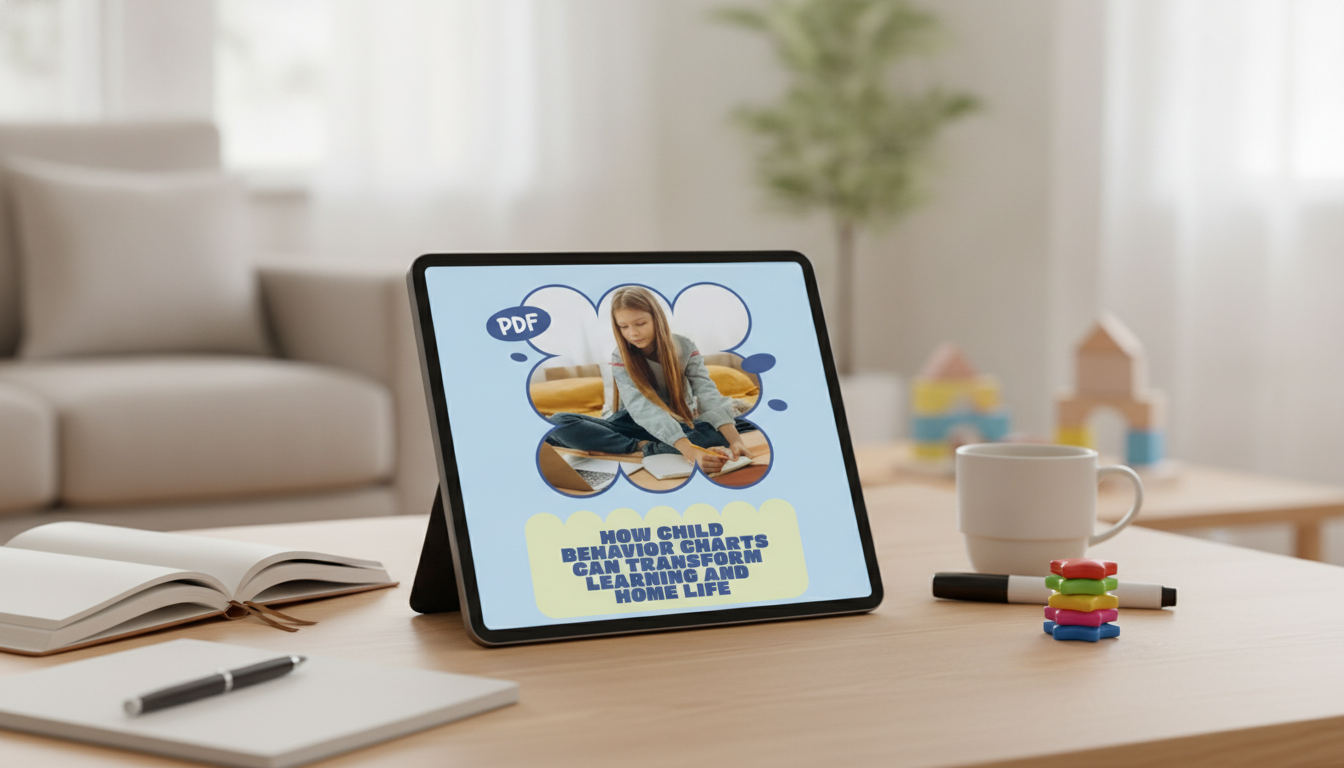
How Child Behavior Charts Can Transform Learning and Home Life
Child behavior charts can make expectations clear, turn daily routines into teachable moments, and reduce power struggles by focusing on progress instead of punishment. Used well, they support self-regulation, strengthen home–school consistency, and give adults an easy way to notice and reinforce positive choices. This guide walks through practical chart types, age-appropriate setup, troubleshooting, and simple ways to use AI tools to personalize routines and feedback.
What a Behavior Chart Really Does (and What It Doesn’t)
A behavior chart is most effective when it’s treated like a practice plan for one or two skills—not a scoreboard of a child’s worth. The right chart makes the “what” and “when” obvious, so adults can respond consistently and kids can predict what success looks like.
- Clarifies 1–3 specific behaviors to practice (not a long list of rules).
- Creates a predictable feedback loop: behavior → immediate response → reflection → try again.
- Shifts attention toward effort and improvement, building skills like waiting, asking for help, and transitioning.
- Does not replace relationship-building, sleep, nutrition, or support for learning differences; it works best as one tool in a broader plan.
- Works best when the child understands the target behavior and has a realistic way to succeed.
For positive discipline basics and age-based expectations, helpful references include the CDC’s Positive Parenting Tips and the American Academy of Pediatrics resources on communication and discipline.
Choose the Right Chart Style for the Situation
Different challenges call for different chart designs. The most common mismatch is using a long-term reward chart for a child who needs quick feedback, or using a complex sheet when the issue is simply transitions.
- Routine charts: sequence-based (morning, homework, bedtime) for kids who struggle with transitions.
- Token or sticker charts: earn small markers toward a meaningful reward; best for building habits.
- Goal-and-reflection charts: older kids track progress, identify barriers, and plan one adjustment.
- Classroom point sheets: quick check-ins per period for focus, participation, and respectful behavior.
- Short-term “challenge” charts: 1–2 weeks to jump-start a new routine, then fade to self-monitoring.
Common behavior chart types and when to use them
| Chart type | Best for | Age range | Example goal | Common pitfall |
|---|---|---|---|---|
| Routine checklist | Transitions and independence | 3–10 | Brush teeth before pajamas | Too many steps at once |
| Sticker/token chart | Habit-building and motivation | 3–9 | Use gentle hands with sibling | Reward too delayed to matter |
| Daily report card | Home–school consistency | 6–12 | Raise hand before speaking | Goals too vague (e.g., “be good”) |
| Self-monitoring chart | Reflection and autonomy | 9–14 | Start homework within 10 minutes | Adult micromanagement undermines buy-in |
How to Set Up a Chart That Children Actually Use
The fastest way to derail a chart is to keep it fuzzy (“listen,” “be respectful,” “be good”). The fastest way to make it stick is to define behaviors so clearly that two adults would score them the same.
- Define behaviors in observable, measurable terms (what you can see or hear).
- Limit to 1–3 targets; start with the smallest change that creates momentum.
- Pick a time frame the child can feel: per routine (young kids), per class period (school), or per day (older kids).
- Decide what earns a mark (success criteria) and what happens after a mark (praise, privilege, choice time).
- Use rewards that match the goal: attention and autonomy often work better than buying prizes.
If you want a ready-to-use structure for home and school (plus templates and examples), see How Child Behavior Charts Can Transform Learning and Home Life | Parent & Teacher Guide to Child Behavior Charts Benefits, Positive Routines & AI Tools.
Positive Reinforcement That Builds Skills (Not Bribes)
Reinforcement works best when it teaches cause-and-effect and highlights competence. The goal is to help the child notice, “When I do X, life goes smoother,” not “Adults only like me when I earn points.”
- Pair the chart with labeled praise: name the behavior and its impact (e.g., “You started right away—now we have extra time”).
- Favor frequent small reinforcers early; fade to intermittent reinforcement as the routine sticks.
- Use “when/then” language for routines: “When teeth are brushed, then story time.”
- Choose rewards that support connection: a game together, choosing dinner, picking the bedtime story.
- Avoid removing already-earned points for unrelated behavior; keep the system predictable and fair.
Home and Classroom: Make the System Consistent Without Making It Complicated
For a school-wide framework that aligns with this approach, explore Positive Behavioral Interventions and Supports (PBIS).
Using AI Tools to Personalize Charts and Reduce Adult Burnout
Troubleshooting: When the Chart Stops Working
A Simple 7-Day Reset Plan for Positive Routines
Simple Home Setup Picks (Optional, but Helpful)
- Luxury 12-Inch Stainless Steel Decorative Tray for Home, Kitchen & Countertop for keeping stickers, timers, and pencils together.
- Wabi-Sabi Style Vintage Hourglass Side Table as a dedicated “routine station” next to the entryway or homework area.
FAQ
What behaviors should go on a child behavior chart?
Choose 1–3 observable behaviors tied to a routine, such as “start homework within 10 minutes,” “use gentle hands,” or “use an inside voice.” Focus on replacement skills (what to do) and make the goal realistic enough that success is possible most days.
How long should a behavior chart be used?
Use it for about 1–2 weeks to build momentum, then reassess and simplify or fade rewards as the skill becomes more consistent. Keep tracking only as long as it supports independence rather than becoming a daily negotiation.
Do behavior charts work for children with ADHD or autism?
They can, especially when individualized with shorter timeframes, clear visuals, immediate feedback, and explicit teaching of the target skill. Coordinating with school supports and clinicians can help match the chart to the child’s needs and reduce frustration.















Leave a comment