
Eco-Friendly Money Habits: Lower Bills in 30 Days
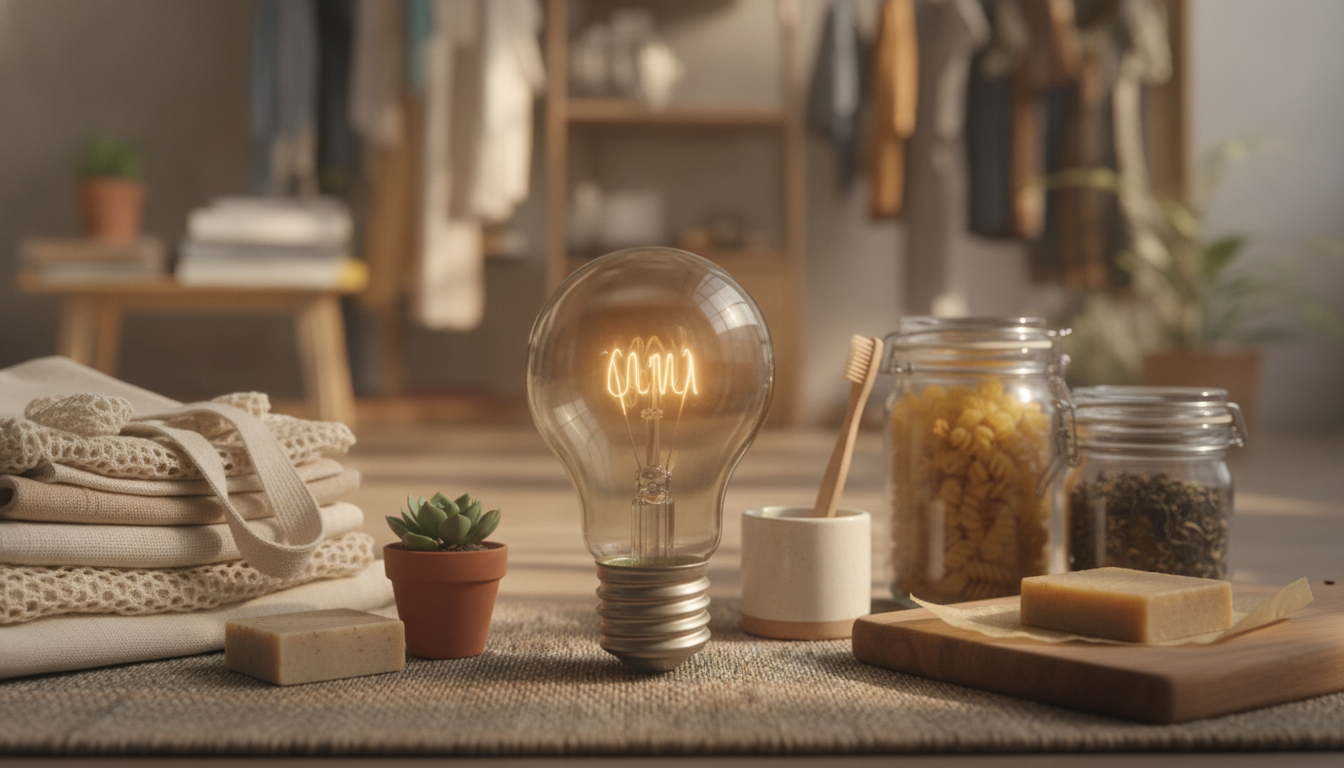
Eco-Friendly Habits That Save You Money: Practical Steps for Lower Bills and Smarter Spending
Saving money and reducing waste often come from the same simple habits: using less energy, wasting less food, buying fewer disposables, and keeping what’s already owned in good shape. The best part is that many of the biggest wins are low-cost (or free) and start paying back quickly—without requiring a full lifestyle overhaul.
Start With a Quick Home “Leak Check” for Money and Resources
Before changing everything at once, take 10 minutes to spot the places where money quietly slips away. Start with the biggest recurring costs: electricity, heating/cooling, water, transportation, and groceries.
- Look for silent drains: devices left on standby, lights in empty rooms, long showers, dripping faucets, and pantry items that expire before they’re used.
- Set a baseline: review the last 2–3 months of utility bills and grocery spending. Pick just 2–3 habits to change first so the results are easy to see.
- Use a simple priority rule: favor actions that cost nothing, take under 10 minutes, or reduce daily waste.
Energy Habits That Lower Electric Bills Fast
Electricity savings often come from consistency: small reductions done every day beat occasional “big efforts” that don’t stick.
- Adjust your thermostat slightly and keep it steady: frequent big swings can drive up heating/cooling demand. A modest, consistent setting is easier on both comfort and costs.
- Switch to LEDs as bulbs burn out: start with the fixtures used the most (kitchen, living room, porch). LEDs typically cost more than incandescents up front, but last much longer and use less power.
- Use power strips to cut standby usage: entertainment centers and desk setups are common “phantom load” zones. Turn the strip off overnight or when you’re out.
- Do laundry smarter: wash in cold water when possible, run full loads, and air-dry a portion (even just towels or workout gear) to shorten dryer time.
- Optimize device settings: shorten sleep timers on computers/TVs/consoles and lower brightness where it still looks good.
High-Impact Habits and Typical Payback
| Habit | Upfront cost | Effort level | Where savings show up |
|---|---|---|---|
| Swap frequently used bulbs to LEDs | Low to moderate | Low | Electric bill |
| Use smart power strips / switch off standby loads | Low | Low | Electric bill |
| Wash laundry cold + full loads | $0 | Low | Electric + water (sometimes) |
| Shorten showers by 2–5 minutes | $0 | Low | Water + water heating |
| Weatherstrip drafty doors/windows | Low | Medium | Heating/cooling |
For additional, reliable home-energy guidance, see ENERGY STAR — Save Energy at Home and the U.S. Department of Energy — Energy Saver Guide.
Water-Saving Habits That Cut Two Bills at Once
Water savings can reduce your water bill and your energy bill, since heating water is a major household cost.
- Shorten hot showers: even 2–5 minutes less adds up fast over a month, especially for families.
- Turn off the tap during “in-between” moments: shaving, brushing teeth, and hand-washing dishes often waste more water than people realize.
- Fix drips quickly: a small leak can add up over weeks and may signal a worn washer or valve that’s inexpensive to replace.
- Run only full loads: dishwashers and washing machines are most efficient when filled appropriately; use eco cycles when available.
- Stop “running the faucet cold”: keep a pitcher of cold water in the fridge instead.
- Water plants efficiently: water early or late to reduce evaporation; mulch helps retain moisture.
More water-saving basics are available from U.S. EPA — WaterSense (Saving Water at Home).
Food and Kitchen Habits That Reduce Waste and Grocery Spending
Food waste is a hidden budget line. The simplest fix is making it easier to use what you already have.
- Plan 3–5 flexible meals per week: choose recipes that share ingredients (one bag of greens across salads, wraps, and pasta) so nothing gets stranded in the crisper.
- Store food to last: keep herbs upright in a jar with water, move “eat first” items to the front, and label leftovers with dates so they don’t become science projects.
- Cook once, eat twice: batch-cook grains, beans, or roasted vegetables that can become bowls, wraps, soups, or quick side dishes.
- Use a scrap strategy: freeze veggie scraps for broth, save bread ends for croutons, and turn ripe fruit into smoothies or baked oats.
- Reduce single-use purchases: rely on reusable bottles, containers, and cloth towels for everyday kitchen cleanup.
A small “setup” upgrade that supports less waste is having dedicated containers for spices and staples so they stay fresh and organized. The Strawberry Ceramic Seasoning Jar Set can help keep frequently used seasonings accessible, which encourages cooking at home and reduces last-minute takeout spending.
Smarter Shopping: Buy Less, Buy Better, Make It Last
Transportation Habits That Save Fuel (and Time)
Make It Stick: A Simple 30-Day Habit System
A Practical Guide to Building Eco-Friendly Money Habits
If a checklist-based approach sounds helpful, consider Eco-Friendly Habits That Save You Money | Practical Eco Living Guide for Lower Bills & Smarter Spending for a structured, practical path from quick wins to upgrades with clearer payoffs.
FAQ
Which eco-friendly habits save money the fastest?
Start with no-cost changes that reduce daily usage: shorter hot showers, turning off standby power with a power strip, washing laundry in cold water, running full loads, and making modest thermostat adjustments you can maintain.
Do eco-friendly upgrades always cost more upfront?
No—many of the highest-impact habits cost nothing. When you do upgrade, start small (like LEDs or weatherstripping) and scale up after you’ve tracked enough savings to feel confident.
How can a household stay motivated without feeling restricted?
Use a 30-day plan with just one or two new habits each week, and track one simple metric (total bills or how much food gets tossed). Convenience stays high when you choose changes that fit your existing routines.
Recommended for you



Stripe vs Square: Choose the Best Payment Setup
Jul 29, 2026













Leave a comment