

Progressive Muscle Relaxation: 10-Minute Beginner Guide
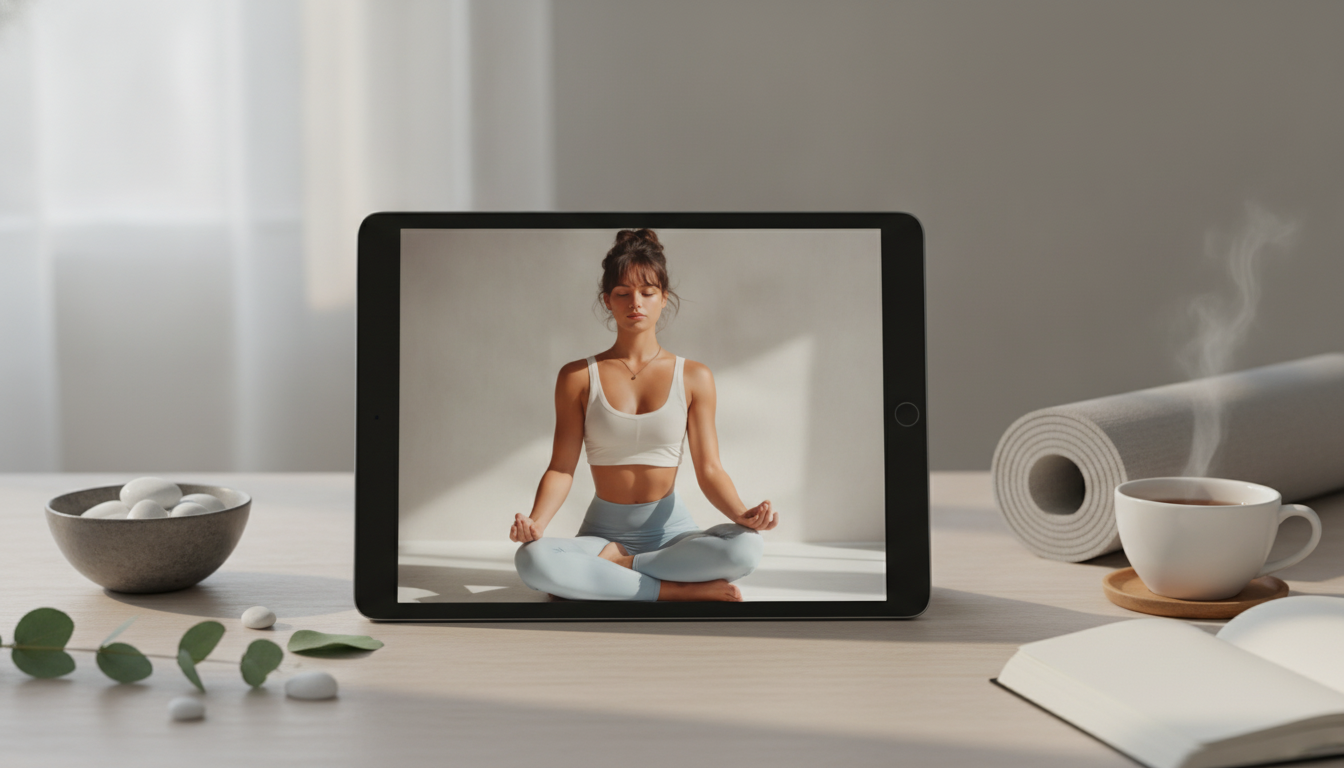
Your Easy Guide to Progressive Relaxation Meditation: A Simple Practice for Stress Relief and Mind-Body Wellness
Progressive relaxation meditation helps calm the nervous system by gently tensing and releasing muscles in a structured sequence. This beginner-friendly approach can reduce stress, ease physical tension, and support better sleep and focus—without special equipment or prior meditation experience.
What progressive relaxation meditation is
Progressive relaxation meditation is a guided method of building body awareness by alternating muscle tension and release. You move through the body in a steady order, briefly tensing a muscle group and then letting it soften fully. That contrast—“on” then “off”—makes it easier to recognize what tension feels like and what release feels like.
You may also see it called Progressive Muscle Relaxation (PMR). It’s commonly paired with slow breathing, because breathing helps steady attention and reduces the tendency to clench harder than needed. The overall goal is practical: interrupt the stress cycle by lowering physical arousal and giving racing thoughts less fuel.
Many people find it especially beginner-friendly because it offers clear, concrete steps to follow. Instead of wondering whether you’re “doing meditation right,” you’re simply following the next muscle group, one small release at a time.
Why it works for stress relief and mind-body wellness
Stress often shows up in the body first—tight shoulders, a clenched jaw, shallow breathing, and a restless stomach. When you release muscle tension on purpose, it can signal safety to the body and help downshift from a “fight-or-flight” state. That physical shift makes it easier for the mind to settle, too.
Progressive relaxation also improves interoception (the skill of noticing internal sensations). With practice, it becomes easier to recognize early signs of stress and respond sooner—before tension snowballs into irritability or overwhelm.
Because the steps are repeatable, PMR can become a reliable wind-down routine that supports sleep quality over time. It also pairs naturally with mindfulness: attention stays anchored in sensation rather than getting pulled into worry loops. For an overview of how PMR fits into stress management, see the American Psychological Association’s Progressive Muscle Relaxation resource. For a broader look at meditation safety and effectiveness, the National Center for Complementary and Integrative Health is a helpful reference.
A beginner sequence that’s easy to follow
Set up (5–15 minutes)
Sit or lie down in a quiet space. Loosen anything restrictive (tight waistband, shoes, or a stiff collar). If you’re practicing before bed, dim the lights and keep your phone facedown so you’re not tempted to check it.
Breath cue
Inhale gently through the nose for about 3–4 seconds. Exhale slowly for about 4–6 seconds. The exhale is your “release signal.” Keep the breathing comfortable—no straining or breath-holding.
Tense and release rhythm
Tense lightly (not painfully) for about 5 seconds, then release for 10–20 seconds. During the release phase, notice warmth, heaviness, tingling, or simply “less effort.” If you don’t feel dramatic relaxation, that’s okay—the skill is noticing what changes, even subtly.
Move through the body in order
Try this simple sequence: hands/forearms → upper arms → shoulders → face/jaw → chest → abdomen → hips/glutes → thighs → calves → feet. When you reach the end, take three slow breaths and notice the difference between “before” and “after.”
| Time available | What to do | Best for |
|---|---|---|
| 5 minutes | Shoulders, jaw, hands, slow exhale focus | Fast reset during a busy day |
| 10 minutes | Full-body sequence once, longer release phase | Evening wind-down |
| 15 minutes | Full-body sequence + 2 minutes of quiet breathing | Sleep prep and deeper relaxation |
Tips that make the practice feel calmer (and safer)
Use “gentle tension,” aiming for about 30–50% effort. The goal isn’t to squeeze hard; it’s to create a clear contrast between tension and release without cramping or strain.
Common mistakes and easy fixes
Rushing the release
Holding your breath while tensing
Trying to “force” relaxation
Only practicing when stress is high
Using the digital download guide as a daily routine
If you want a structured, repeatable format you can pull up anytime, Your Easy Guide to Progressive Relaxation Meditation (digital download) is designed for quick self-guided sessions at home, during breaks, or before sleep.
What’s included in “Your Easy Guide to Progressive Relaxation Meditation”
Because it’s delivered digitally, it’s easy to access on a phone, tablet, or computer whenever you need a reset. If you like setting up a dedicated relaxation spot, a simple “calm corner” can help—some people keep a small tray nearby for essentials like a glass of water, a candle (unlit if you’re drowsy), or a sleep mask. A minimalist option is the Luxury 12-Inch Stainless Steel Decorative Tray for Home, Kitchen & Countertop.
And if your routine includes a soothing tea after practice, organizing tea bags, honey sticks, or stir spoons in a small container can keep the ritual friction-free. The Strawberry Ceramic Seasoning Jar Set can double as a cheerful countertop organizer for small items.
FAQ
How long does progressive relaxation meditation take to work?
Many people feel calmer within one session, especially after the first full-body release. More noticeable improvements in baseline tension and sleep often show up after practicing several times per week for 2–4 weeks.
Is progressive muscle relaxation safe for beginners?
It’s generally safe when done gently. Avoid intense squeezing or holding your breath, skip tensing injured or painful areas, and if anxiety spikes, switch to slow breathing and grounding; seek professional guidance if symptoms persist.
Can this help with sleep?
It can support sleep by reducing physical arousal and building a predictable wind-down routine. A 10–15 minute session at the same time each night is a practical starting point.
Recommended for you



Eco-Friendly Money Habits: Lower Bills in 30 Days
Jul 29, 2026













Leave a comment