-
Shop
- Adidas
- Advanced Technologies
- AI Career Advantage Collection
- AI Skills for Creators & Freelancers
- AI Client Management
- AI Ethics
- AI Mindset
- AI Tools & Prompts
- AI Writing & Content Creation
- Audio, Voice & Music
- Design & Visual Creation
- Email, Messaging & Communication
- Freelancing & Business
- Marketing, Ads & Conversion
- Productivity, Workflow & Automation
- SEO & Search Optimization
- Social Media Content & Growth
- Strategy, Planning & Analytics
- Video Creation & Editing
- AI Skills Mastery 2026 Collection
- Bathroom
- Best-Sellers
- Car Accessories
- Confidence
- Dating & Social Skills
- Digital Resources
- AI & Technology
- AI Skills
- Beauty
- Budgeting & Saving
- Car Buying & Ownership
- Cozy Feast Collection
- Electronics & Technology
- Entrepreneurship & Business Growth
- Financial Education
- Financial Independence
- Financial Mindset & Psychology
- Goal Setting
- Hobbies
- Home Styling & Organization
- Kitchen & Recipes
- Leadership
- Mindfulness
- Mindset
- Online Business
- Parenting & Child Development
- Personal Style & Fashion
- Pet Lifestyle & Wellness
- Positive Thinking
- Sleep Improvement
- Smart Life with AI
- Stress Management & Relaxation
- Travel Planning
- Wellness
- Yoga & Fitness
- Yoga & Mind-Body Practices
- Education & Learning
- Family & Parenting
- Fashion
- Furniture
- Gadgets
- Health & Beauty
- Health & Wellness
- Home & Garden
- Home Decor
- Home Electronics
- Kids & Babies
- Kitchen
- Kitchen Best-Sellers
- Lighting
- Luxury Brands Collection
- Nike
- Online Business for Beginners
- Patio, Lawn & Garden
- Personal Growth
- Pet Care
- Pet Supplies
- Pets
- Smart Amazon Shopping
- Sport & Outdoors
- Stress Relief & Relaxation
- TikTok Growth & Monetization Mastery
- Travel
- Travel & Adventure
- Wealth
- Popular
- Best deals
Entryway Organization System for Busy Homes (5 Zones)
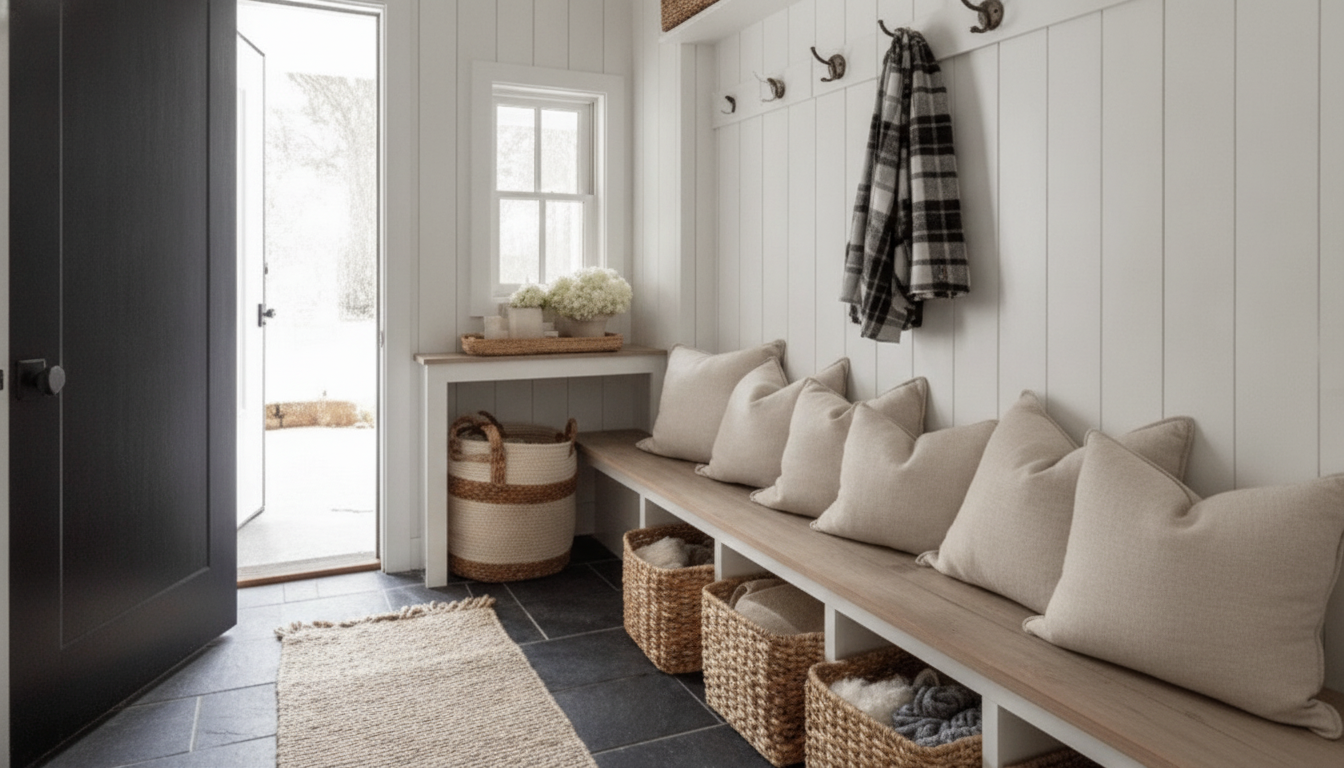
Effortlessly Organized Entryway: A Practical System for Busy Homes
A calm entryway reduces morning scrambles, lost items, and clutter that spreads into the rest of the house. The goal isn’t perfection—it’s a simple, repeatable setup that captures shoes, coats, bags, keys, and incoming paper the moment they enter the door. This guide lays out a fast assessment, a zone-based layout, and a low-maintenance routine so the entry stays functional even on the busiest weeks. For more guidance, see Entryway Essentials: How to Style and Organize Your Home Like a Pro.
Start with a 10-minute reset and a realistic goal
Before buying anything, do a quick reset so you can see what the space actually needs. Clear the floor and the nearest flat surface (console, shelf, or counter) so the “landing zone” can be rebuilt intentionally. Then separate what must live here (daily essentials) from what belongs elsewhere (seasonal gear, duplicates, “someday” items). For further reading, see The Secret to an Organized Entryway, According to Professional ….
Set one non-negotiable target: a clear walkway wide enough for two people to pass without sidestepping bags or shoes. Next, choose a maximum number of shoes per person allowed at the door—often two pairs (daily + workout or daily + weather pair). Store the rest in closets or bedrooms so the entry doesn’t become a shoe warehouse.
If multiple doors are used, pick one primary entry to organize first. Give the secondary door a minimal version of the system (a hook and a small shoe mat), so routines stay consistent without multiplying clutter.
Map the entryway into 5 zones that match real-life traffic
A durable entryway setup works best when it mirrors the way people actually move: come in, drop, hang, remove shoes, and keep paper from spreading. Create five zones and keep each one small on purpose.
Zone breakdown
- Drop Zone: one small surface for keys, wallet, sunglasses, and a badge—kept intentionally limited to prevent pile-ups.
- Hang Zone: hooks or a rail for coats, backpacks, dog leashes, and reusable bags; assign one hook per person to avoid overlap.
- Shoe Zone: a mat, rack, or tray that contains dirt; plan for wet-weather footwear and a spot for shoe-care items.
- Paper Zone: one vertical file or inbox for mail, school forms, and deliveries; include an “Action” slot and a “To File” slot.
- Exit Zone: a quick-check spot for items needed on the way out (umbrellas, keys, lunch bag) and a reminder list at eye level.
| Zone | Best For | Common Problem It Solves | Quick Setup Idea |
|---|---|---|---|
| Drop Zone | Keys, wallet, daily carry | Last-minute searching | Small tray or bowl with a strict item limit |
| Hang Zone | Coats, bags, leashes | Piles on chairs/floor | Staggered hooks (adult/kid heights) |
| Shoe Zone | Daily shoes, wet boots | Mud tracked indoors | Containment mat + rack or boot tray |
| Paper Zone | Mail, school notes, receipts | Counter clutter | 2-slot vertical file: Action / To File |
| Exit Zone | Grab-and-go items | Forgetting essentials | Checklist + dedicated bin for each person |
Build the system to survive busy days (not ideal days)
The best entryway systems are designed for speed. Prioritize open storage at the point of use: hooks beat hangers for daily items, and bins beat deep shelves when hands are full. Aim for “one-motion” actions—drop keys in one place, hang a bag on one hook, slide shoes onto one mat—no lids, no stacking, no extra steps.
Make it kid-friendly: lower hooks, a labeled shoe spot, and a backpack landing zone that doesn’t require adult help. Add friction only where it helps, like a small trash can for junk mail or flyers and a donation bag for outgrown gloves and hats.
Finally, choose wipeable, durable materials near the door. Entryways deal with damp coats and gritty footwear, so quick cleaning matters. For general cleaning guidance and routine hygiene basics, follow reputable sources like the CDC’s cleaning and disinfecting recommendations.
Small-space and high-traffic layouts that work
No-foyer apartment setup
Use vertical space: over-the-door hooks, a slim shoe rack, and a wall-mounted key holder. Keep the drop zone tiny so it can’t become a countertop substitute.
Narrow hallway setup
Family of 4+ setup
Pet-friendly setup
Seasonal swap plan
Simple product picks for a cleaner drop zone
- Luxury 12-Inch Stainless Steel Decorative Tray for Home, Kitchen & Countertop ($74.97): a defined “keys and wallet only” boundary that’s sturdy and quick to clean.
- Wabi-Sabi Style Vintage Hourglass Side Table ($724.97): a compact statement surface that can act as the single landing spot, reducing the temptation to use multiple counters.
A 5-minute daily routine and a 20-minute weekly reset
Make it look calm without making it fussy
A practical workbook-style plan from the eBook
FAQ
How do you keep an entryway organized when everyone drops things in different places?
Create one obvious drop zone and one obvious hang zone, assign each person a dedicated hook or slot, and remove extra surfaces that invite piling. A nightly 5-minute reset keeps clutter from becoming the default.
What is the best entryway setup for a home with no mudroom?
Use vertical space (hooks, a wall shelf, door-mounted organizers) plus a contained shoe area (mat or tray). Keep only current-season items at the door and store overflow elsewhere to prevent crowding.
How many shoes should be kept by the front door?
Set a fixed limit that matches your space and habits—often 1–2 pairs per person for daily use—then store the rest in closets or bedrooms. The limit matters more than the exact number.











Leave a comment