


Loose-Leash Walking Basics: Calm Steps for No-Pull Walks
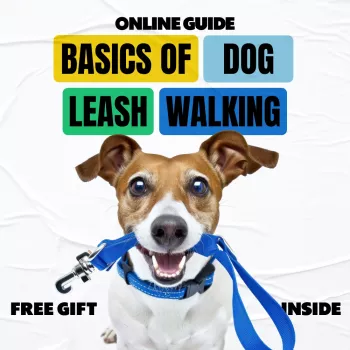
Basics of Leash Walking: A Calm, Step-by-Step Routine for Loose-Leash Walks
Loose-leash walking is less about strength and more about teaching clear skills: attention, position, and the idea that pulling doesn’t move the walk forward. With a simple setup and short, consistent practice sessions, many dogs (including puppies) can learn to walk with a slack leash, check in naturally, and recover quickly when they get distracted.
What Loose-Leash Walking Means (and What It Doesn’t)
Loose leash walking means the leash forms a relaxed “J” shape most of the time. A few tight moments are normal—progress looks like fewer pulling episodes and a quicker return to slack.
It’s also different from a formal heel. On a loose leash walk, the dog can sniff and explore within boundaries you set, rather than staying glued to one exact spot.
Dogs pull for many reasons: they naturally walk faster than people, pulling has worked before (it got them to the tree), they’re stressed or overexcited, or they haven’t practiced around real-world distractions.
Loose Leash vs. Heel vs. “Walk Nicely” (Quick Comparison)
| Goal | Dog Position | Best For | Handler Focus |
|---|---|---|---|
| Loose leash walk | Anywhere near the handler with slack leash | Daily walks, decompression, manners | Reward check-ins, stop/turn when leash tightens |
| Heel | Precise position at handler’s side | Training drills, crowded areas, sports | High reinforcement, short sessions |
| Walk nicely (hybrid) | Preferred zone (often near left/right leg) | Neighborhood walks with structure | Balance sniff time with frequent rewards |
Gear and Setup for Success
Start with equipment that keeps the dog comfortable and keeps you consistent. Many dogs do well on a comfortable harness; a front-clip option can reduce momentum if your dog surges. Dogs that don’t lunge may also walk well on a flat collar. Avoid tools designed to cause pain or fear—humane training guidance is supported by organizations like the American Veterinary Society of Animal Behavior (AVSAB).
For teaching skills, use a standard 4–6 ft leash. Long lines are great for sniff breaks and recall practice, but they can make early leash mechanics harder to understand.
Pick rewards that can beat the environment: tiny soft treats, a squeeze tube, or (for some dogs) a favorite toy. Also set your route realistically: begin in a low-distraction space (hallway, garage, driveway, or backyard), then move to sidewalks and busier paths.
One underrated setup tip is a clear “sniff budget.” Decide when sniffing is allowed and when you’re moving with purpose, and put those rules into cues (like “go sniff” versus “let’s go”). That clarity reduces frustration-based pulling.
The Core Skills: Attention, Position, and Reinforcement
Loose-leash walking is built from a few repeatable micro-skills:
- Name response: Say your dog’s name once. The instant eyes meet your face, mark it and reward.
- Check-in habit: Reward spontaneous glances back. This becomes your dog’s default way to stay connected before the leash tightens.
- Reinforcement zone: Choose where rewards appear (near the seam of your pants on the left or right). Consistency helps your dog learn where “good walking” happens.
- Mark the moment: A clicker or a short marker word (like “yes”) pinpoints the exact behavior to repeat.
- Short sessions: Three to five minutes of focused reps usually beats one long, frustrating walk.
Step-by-Step Loose-Leash Routine (Start Indoors, Then Level Up)
Step 1: Reward at your side
Stand still. Wait for your dog to be near your chosen side. Mark and reward there. If your dog wanders off, simply wait them out—this is how they learn that being near you pays.
Step 2: Take 1–3 steps
Step 3: Add turns to prevent dragging contests
Step 4: Add a release to sniff (and a clean re-start)
Step 5: Increase difficulty gradually
What to do when the leash tightens
Stay calm and consistent. Stop moving (be a tree) or smoothly turn and walk the other way. Forward movement resumes only when slack returns. For an additional walkthrough of the mechanics, see the AKC’s loose-leash training guide.
Troubleshooting Common Problems
A Simple Weekly Plan (Puppies to Adult Dogs)
Digital Training Support and At-Home Tools
If you want a simple structure to follow, a written sequence can help: foundation skills, real-world practice, and quick resets for distractions. The Basics of Dog Leash Walking digital download guide is designed to keep sessions consistent with checklists and step-by-step drills.
For everyday organization, it can also help to keep training supplies easy to grab. Some households use a small countertop setup for treats, clicker, and bags; a dedicated tray like the Luxury 12-Inch Stainless Steel Decorative Tray for Home, Kitchen & Countertop can keep everything in one place. And if you prefer pre-portioned high-value treats, a container set such as the Strawberry Ceramic Seasoning Jar Set can help you rotate options without rummaging mid-session.
FAQ
How long does it take to train loose-leash walking?
Many dogs show noticeable improvement in 2–6 weeks with short daily practice, but timelines vary based on age, prior pulling habits, and how distracting your walking routes are. Tracking “tight leash per minute” helps you see progress even before walks feel perfect.
Should the walk stop every time the leash gets tight?
Stopping (or turning) removes the payoff for pulling because pulling no longer moves the walk forward. For safety you may occasionally need to keep moving, but aim for calm consistency rather than jerking the leash or scolding.
Is a front-clip harness enough to fix pulling?
A front-clip harness can reduce leverage and make pulling less effective, but lasting change comes from training: rewarding slack leash, building check-ins, and managing distance from distractions. The best results usually come from pairing helpful gear with a clear routine.














Leave a comment