

UltraQuiet Tower Humidifier: Setup, Care & Comfort Tips
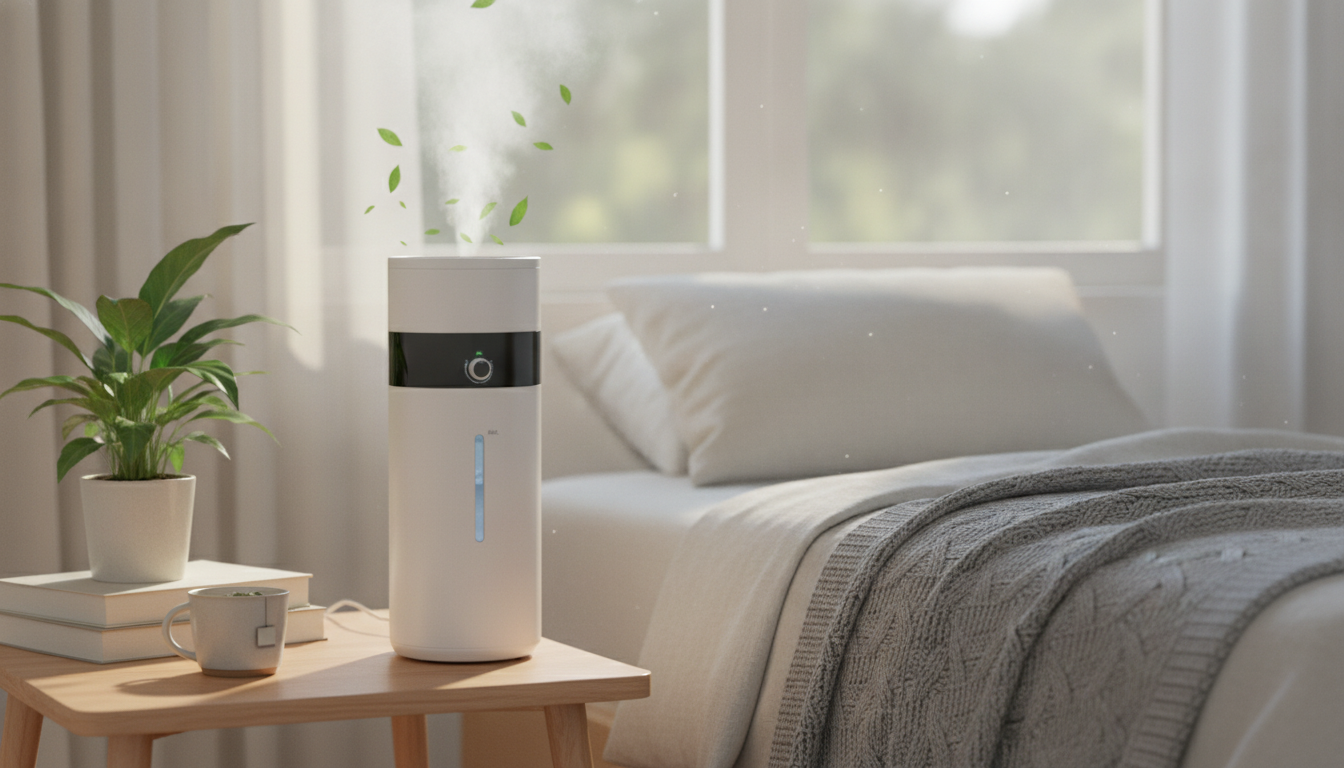
Dry indoor air can make rooms feel less comfortable and may contribute to irritated sinuses, dry skin, and static. A tower-style humidifier offers a space-saving footprint and upright mist distribution that fits neatly into bedrooms, nurseries, and home offices. This guide covers what to look for, how to set it up for consistent comfort, and the upkeep habits that keep mist output steady and the unit running quietly.
What a tower humidifier changes in a room
A tower humidifier can noticeably shift how a room feels, especially during heating season or in arid climates where indoor humidity tends to drop. Adding moisture helps reduce that “parched” sensation in the air, which many people notice most at night or first thing in the morning.
- Adds moisture to help reduce that dry, tight feeling common in winter or low-humidity regions
- Tall, narrow design is easier to place beside a nightstand, desk, or wall without sacrificing usable surface space
- May support better-feeling sleep for some households by easing dry throat and nasal passages
- Helps protect certain wood items and houseplants that prefer steadier indoor humidity
For moisture-and-mold awareness, it helps to keep a practical ceiling on humidity rather than pushing mist output to the maximum. The EPA’s guidance on moisture control is a useful reference for preventing mold-friendly conditions: EPA: Mold — Moisture and Mold Prevention.
UltraQuiet Tower Humidifier at a glance
The UltraQuiet Tower Humidifier is built for households that want moisture support without adding a lot of distraction to the room. The tower format makes placement easier in tight layouts—corners, small bedrooms, and home offices—while still distributing mist upward into open air.
- Designed to deliver moisture with a low-distraction sound profile suited for nighttime use
- Tower format supports flexible placement in tighter spaces (including nurseries at a safe distance)
- Fits a straightforward routine: fill, run, and periodically clean
- Performs best with a basic humidity target range and consistent maintenance
Quick comfort checklist
| Goal | What to do | Why it matters |
|---|---|---|
| Wake up with less dryness | Run overnight on a steady setting and keep doors mostly closed | Helps keep humidity more stable in the sleeping area |
| Keep the unit quiet | Place on a level surface and avoid contact with curtains/walls | Reduces vibration, rattles, and intermittent clicking |
| Avoid overly damp air | Use a hygrometer and pause or lower output if condensation appears | Helps prevent mold-friendly conditions |
| Keep mist clean | Empty leftover water daily and deep-clean on schedule | Reduces mineral buildup and biofilm risk |
Comfort range and how to avoid over-humidifying
The most common mistake with a humidifier isn’t under-using it—it’s running it too high for too long in a closed space. A small, inexpensive hygrometer makes this easy to manage because comfort is usually found in a moderate middle range, not “as high as possible.” Many households aim for about 30–50% relative humidity, adjusting down if condensation starts showing up.
- Use a hygrometer to track indoor humidity instead of guessing
- Watch for excess humidity signals: window condensation, musty odor, damp bedding, or wet surfaces near the unit
- In smaller rooms, start on a lower output and increase gradually after 30–60 minutes
- If allergies or asthma are concerns, controlled humidity and strict cleaning matter more than maximum mist
For practical use-and-care basics, the CDC’s guidance can help reinforce good habits: CDC: Using a Humidifier.
Placement tips for steady mist coverage
Placement affects both comfort and cleanliness. A humidifier that’s too close to bedding or a wall can create damp spots, while an unstable surface can amplify noise.
- Set the humidifier on a hard, level surface; avoid thick carpet if it causes wobble
- Keep several feet away from walls, bedding, paper stacks, and electronics to reduce moisture settling on surfaces
- Aim mist toward open space rather than directly into curtains or shelving
- For nurseries: keep cords out of reach and place the unit where mist cannot land on the crib or changing area
If you want an extra buffer for furniture or a countertop, a stable surface accessory can help keep things tidy. A simple option is placing the humidifier on a dedicated tray like the Luxury 12-Inch Stainless Steel Decorative Tray for Home, Kitchen & Countertop, especially in spaces where water drips during refills are more noticeable.
Daily, weekly, and monthly care
Consistent care is what keeps mist output steady and helps avoid that slippery film that can develop when water sits. The goal is to minimize stagnant water, reduce mineral scale, and keep internal surfaces from accumulating residue.
Simple maintenance schedule
| Frequency | Task | Time estimate |
|---|---|---|
| Daily | Empty remaining water, quick rinse, refill with fresh water | 3–5 minutes |
| Weekly | Wash tank and accessible parts; remove visible mineral film | 15–25 minutes |
| Monthly | Deep descale (hard water) and check for leaks or worn seals | 25–40 minutes |
Noise and nighttime use
Safety notes for families, pets, and sensitive spaces
Getting started: a practical setup routine
FAQ
What humidity level feels comfortable for sleeping?
Many homes feel most comfortable around 30–50% relative humidity, but the best setting depends on room size and outdoor conditions. Use a hygrometer and lower output if you notice condensation on windows or a musty smell.
How often should a tower humidifier be cleaned?
A practical cadence is daily empty-and-rinse, weekly cleaning of the tank and accessible parts, and monthly descaling as needed (especially with hard water). Always follow the product manual’s cleaning directions and avoid mixing chemicals.
Why is my humidifier leaving white dust?
White dust is usually mineral residue from hard water that becomes airborne with mist and settles on surfaces. Using distilled or demineralized water (when appropriate for your unit) and descaling regularly can help reduce buildup.
Recommended for you


Heeled Boots Names: Booties, Block Heels & More
Jul 28, 2026













Leave a comment