-
Shop
- Adidas
- Advanced Technologies
- AI Career Advantage Collection
- AI Skills for Creators & Freelancers
- AI Client Management
- AI Ethics
- AI Mindset
- AI Tools & Prompts
- AI Writing & Content Creation
- Audio, Voice & Music
- Design & Visual Creation
- Email, Messaging & Communication
- Freelancing & Business
- Marketing, Ads & Conversion
- Productivity, Workflow & Automation
- SEO & Search Optimization
- Social Media Content & Growth
- Strategy, Planning & Analytics
- Video Creation & Editing
- AI Skills Mastery 2026 Collection
- Bathroom
- Best-Sellers
- Car Accessories
- Confidence
- Dating & Social Skills
- Digital Resources
- AI & Technology
- AI Skills
- Beauty
- Budgeting & Saving
- Car Buying & Ownership
- Cozy Feast Collection
- Electronics & Technology
- Entrepreneurship & Business Growth
- Financial Education
- Financial Independence
- Financial Mindset & Psychology
- Goal Setting
- Hobbies
- Home Styling & Organization
- Kitchen & Recipes
- Leadership
- Mindfulness
- Mindset
- Online Business
- Parenting & Child Development
- Personal Style & Fashion
- Pet Lifestyle & Wellness
- Positive Thinking
- Sleep Improvement
- Smart Life with AI
- Stress Management & Relaxation
- Travel Planning
- Wellness
- Yoga & Fitness
- Yoga & Mind-Body Practices
- Education & Learning
- Family & Parenting
- Fashion
- Furniture
- Gadgets
- Health & Beauty
- Health & Wellness
- Home & Garden
- Home Decor
- Home Electronics
- Kids & Babies
- Kitchen
- Kitchen Best-Sellers
- Lighting
- Luxury Brands Collection
- Nike
- Patio, Lawn & Garden
- Personal Growth
- Pet Care
- Pet Supplies
- Pets
- Smart Amazon Shopping
- Sport & Outdoors
- Stress Relief & Relaxation
- Travel
- Travel & Adventure
- Wealth
- Popular
- Best deals
Luxury 1-Person Infrared Sauna: Ultra-Low EMF + App
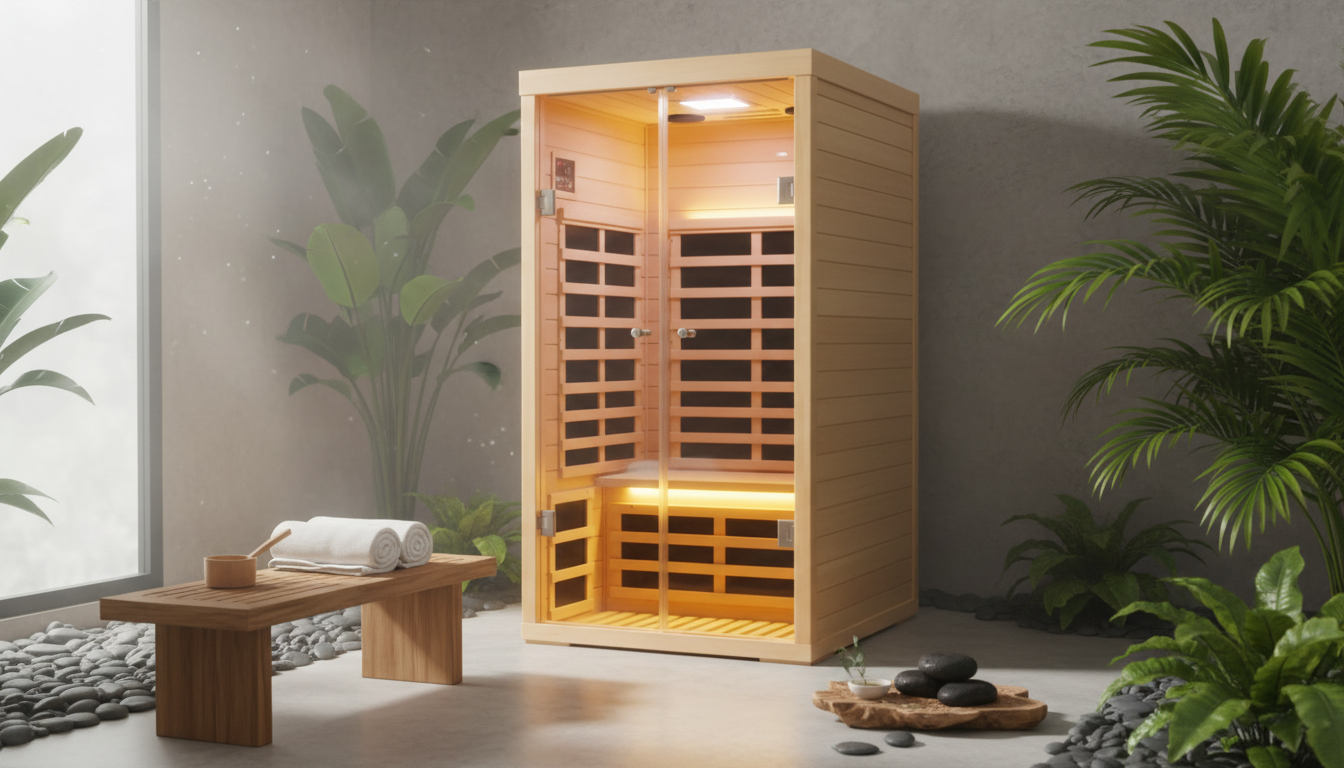
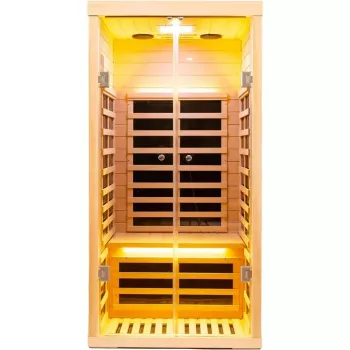
Luxury 1-Person Infrared Sauna with Ultra-Low EMF, App & LCD Controls
A personal infrared sauna can turn a spare corner into a daily reset—warmth on demand, quieter routines, and an at-home option for post-workout recovery and relaxation. This luxury 1-person model focuses on modern convenience with app and LCD controls, plus an ultra-low EMF design for added peace of mind during longer sessions. For more guidance, see sauna or hot tub, which to get and why? – Bogleheads.org.
What Makes a 1-Person Infrared Sauna Feel “Luxury”
“Luxury” in a solo sauna isn’t about size—it’s about how effortlessly the experience fits into real life. A space-smart footprint should feel purpose-built for one person, offering enough room to sit naturally without that boxed-in feeling. The heat should arrive as a comfortable, steady warmth that encourages consistency day after day. For further reading, see Dia 36 Split core Current Transformer 150A/5A CT for Electricity ….
Control experience is another tell. A premium setup makes timing and temperature management intuitive, so sessions feel like a ritual—not a chore. Finally, long-term build details matter: how the door seals, whether the hinge action stays smooth, how well panels align, and whether the interior stays comfortable through daily use.
Infrared Heat: What to Expect During a Session
Infrared sessions often feel gentler on entry than a steam room or a high-heat traditional sauna, yet many users describe a “deeper” warmth that builds steadily. That makes infrared appealing for shorter daily sessions, especially after training or on low-energy days when a gradual warm-up feels more manageable.
Even with a comfortable ramp-up, hydration and cooldown still matter. Heat exposure can increase sweating and fluid loss, so keeping water within reach and stepping out slowly at the end helps maintain a pleasant, grounded experience. Comfort also depends on ventilation, seating ergonomics, and how evenly heat is distributed across the cabin.
Typical Session Flow (Practical Routine)
| Phase | Goal | Tips |
|---|---|---|
| Preheat | Stabilize the cabin temperature | Set a moderate temperature for the first week and adjust upward gradually. |
| Session | Relaxation and consistent warmth | Use a timer; keep water nearby; pause if lightheaded. |
| Cooldown | Return to baseline comfortably | Step out slowly, sit for a few minutes, and rehydrate. |
| Aftercare | Support recovery | Shower if desired; moisturize; consider light stretching. |
Ultra-Low EMF: Why It’s Included and How to Evaluate It
“Ultra-low EMF” is a design goal intended to reduce electromagnetic field exposure near heaters and electrical components—especially meaningful in a compact, 1-person cabin where your body sits closer to the system than it would in a larger room-style sauna.
For evaluation, the most useful information is specific and repeatable: where measurements were taken (bench level, near the control panel, near heater zones) and under what operating conditions. Clear reporting should include the measurement distance, the meter type, and whether readings refer to magnetic fields (often expressed in mG) and/or electric fields (often in V/m). In a small sauna, wiring layout and component placement can substantially affect what you’re exposed to at head, torso, and leg level.
App + LCD Controls: Day-to-Day Convenience That Actually Helps
Modern control options matter most when they reduce friction. App control can help you start, adjust, or end a session without interrupting relaxation—useful when you’re already seated and don’t want to stand up to make small changes. An onboard LCD panel is just as important because it provides a reliable, direct-control fallback for quick adjustments on the unit itself.
Look for quality-of-life details that stay helpful beyond the first week: a timer display that’s easy to read, responsive temperature adjustments, and predictable start/stop behavior. In mixed households, app presets can satisfy the schedule-minded person, while the LCD keeps things simple for anyone who prefers straightforward controls.
Comfort and Build Details That Matter in a Solo Cabin
Setup, Electrical Considerations, and Placement
Placement Checklist
| Item | Why it matters | Quick check |
|---|---|---|
| Ventilation | Reduces stuffiness and helps electronics run cooler | Ensure open airflow around the unit; avoid tight closets. |
| Floor protection | Prevents heat/moisture wear on flooring | Use a suitable mat if needed; keep the area dry. |
| Power access | Avoids unsafe extension cord setups | Place within reach of the correct outlet/circuit. |
| Clearances | Improves comfort and safety | Confirm room for door opening and easy entry/exit. |
Care, Cleaning, and Long-Term Ownership
Who This Style of Sauna Fits Best
Featured In-Stock Picks for a Sauna Corner
- Luxury 1-Person Infrared Sauna with Ultra-Low EMF, App & LCD Controls
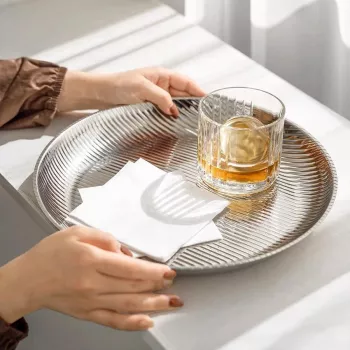
- Luxury 12-Inch Stainless Steel Decorative Tray for Home, Kitchen & Countertop (a neat place for water, a timer, or folded towels)
- Wabi-Sabi Style Vintage Hourglass Side Table (a grounded accent piece that helps the space feel intentional)
Helpful Safety Reading (Authoritative Sources)
FAQ
How long should a typical infrared sauna session be?
Beginners often start conservatively (for example, 10–20 minutes) and gradually increase as comfort improves, while experienced users may choose longer sessions if they tolerate heat well. Hydrate, pay attention to how you feel, and follow the manufacturer’s guidance for time and temperature.
What does “ultra-low EMF” mean in practical terms?
It refers to a design approach intended to reduce EMF near heaters and electrical components, but real-world levels depend on where and how measurements are taken. If it’s important to you, look for clear measurement documentation and consider verifying with a reputable EMF meter at the bench and near heater zones.
Can the sauna be controlled without the app?
Yes—an onboard LCD control panel provides direct control for adjusting temperature and session time. The app is mainly a convenience for making changes with fewer interruptions, but safe operation still means staying attentive to your body during sessions.











Leave a comment