-
Shop
- Adidas
- Advanced Technologies
- AI Career Advantage Collection
- AI Skills for Creators & Freelancers
- AI Client Management
- AI Ethics
- AI Mindset
- AI Tools & Prompts
- AI Writing & Content Creation
- Audio, Voice & Music
- Design & Visual Creation
- Email, Messaging & Communication
- Freelancing & Business
- Marketing, Ads & Conversion
- Productivity, Workflow & Automation
- SEO & Search Optimization
- Social Media Content & Growth
- Strategy, Planning & Analytics
- Video Creation & Editing
- AI Skills Mastery 2026 Collection
- Bathroom
- Best-Sellers
- Car Accessories
- Confidence
- Dating & Social Skills
- Digital Resources
- AI & Technology
- AI Skills
- Beauty
- Budgeting & Saving
- Car Buying & Ownership
- Cozy Feast Collection
- Dating & Social Confidence
- Electronics & Technology
- Entrepreneurship & Business Growth
- Financial Education
- Financial Independence
- Financial Mindset & Psychology
- Goal Setting
- Hobbies
- Home Styling & Organization
- Kitchen & Cooking
- Kitchen & Recipes
- Leadership
- Mindfulness
- Mindset
- Online Business
- Parenting & Child Development
- Personal Style & Fashion
- Pet Lifestyle & Wellness
- Positive Thinking
- Sleep Improvement
- Smart Life with AI
- Stress Management & Relaxation
- Travel Planning
- Wellness
- Wellness & Self-Care
- Yoga & Fitness
- Yoga & Mind-Body Practices
- Education & Learning
- Family & Parenting
- Fashion
- Furniture
- Gadgets
- Health & Beauty
- Health & Wellness
- Home & Garden
- Home Decor
- Home Electronics
- Kids & Babies
- Kitchen
- Kitchen Best-Sellers
- Lighting
- Luxury Brands Collection
- Nike
- Online Business for Beginners
- Patio, Lawn & Garden
- Personal Growth
- Pet Care
- Pet Supplies
- Pets
- Smart Amazon Shopping
- Sport & Outdoors
- Stress Relief & Relaxation
- TikTok Growth & Monetization Mastery
- Travel
- Travel & Adventure
- Wealth
Pet ID Tags That Work: What to Put (and Skip)
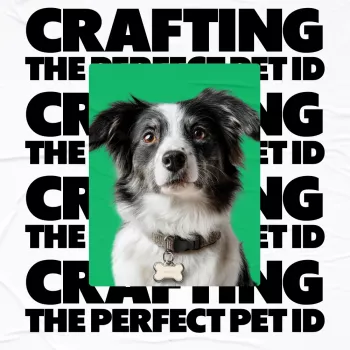
Crafting the Perfect Pet ID: A Digital Guide to Pet ID Tags That Work When It Counts
A pet ID tag is a tiny tool with a big job: getting a lost pet home quickly. The most effective tags balance speed, clarity, and privacy—giving a finder exactly what to do in the first minute while keeping sensitive details protected. This guide breaks down what to include, what to skip, and how to build a reliable ID setup that holds up in real-world situations.
Why a good pet ID tag matters
Most lost-pet reunions happen faster when the person who finds your pet can reach you immediately—no extra steps, no guessing, no waiting for office hours. A readable tag turns a stressful moment into a simple action: call or text and get the pet safely picked up.
Tags also keep working in scenarios where other tools can lag. A microchip is a strong backup, but it requires a scanner and current registration details. Phones die. Internet service drops. And sometimes a collar is found without the pet—an engraved tag can still help a shelter or neighbor connect the dots.
Clear, direct instructions reduce delays and confusion (especially if the finder is juggling a nervous animal). They also help clinics and shelters identify an owner quickly before intake paperwork gets complicated.
The core information every tag should include
When space is limited, simplicity wins. Aim for a layout that tells a stranger exactly what to do and how to reach a real person—fast.
- Pet name (optional but helpful): It can calm a scared pet and encourage gentle handling. If theft is a concern for high-value pets, leave it off.
- Primary phone number: The fastest route to reunion. Use a number that’s reliably answered (or has voicemail set up).
- Secondary phone number: A backup contact in case the primary is unreachable.
- City and state (not a full address): Gives location context while protecting privacy.
- A simple action cue: “Call” or “Text” beside the number can speed up the response.
Tag content checklist: what to include vs. what to avoid
| Item | Include? | Why |
|---|---|---|
| Primary phone number | Yes | Fastest way for a finder to reach someone who can pick up the pet |
| Secondary phone number | Yes | Backup if the main contact is unavailable |
| City + state | Yes | Helps locate the right owner without exposing a precise address |
| Full home address | Usually no | Increases privacy and security risk; often unnecessary |
| Pet’s name | Optional | Can calm a pet; may be skipped for theft risk in some cases |
| Medical needs (“Needs meds”) | Sometimes | Useful for urgent conditions; keep wording brief |
| Rabies tag number | Optional | May help a clinic identify records, but not a direct contact method |
| Microchip ID number | Optional | Useful for shelters/vets; not helpful if the finder can’t scan |
Digital options: QR codes, online profiles, and smart tags
QR code tags and digital profiles can hold far more information than traditional engraving—multiple contacts, vet info, and care notes—without shrinking text to the point of unreadable. The best digital setups still keep one priority front and center: how to reach a human right now.
If you want a structured, easy-to-follow setup that combines classic and digital best practices, Crafting the Perfect Pet ID | The Essential Digital Guide to Pet ID Tags: What to Include & Why It Matters walks through a practical, modern approach.
What to include for special situations
Traveling and road trips
Indoor-only pets
Medical conditions
Reactive or fearful pets
Working breeds or high-value pets
Design choices that improve real-world readability
For at-home organization—like keeping spare rings, backup tags, and vaccination copies in one easy place—a durable surface can help. A simple catch-all like the Luxury 12-Inch Stainless Steel Decorative Tray for Home, Kitchen & Countertop can keep essentials visible and ready for quick updates.
Pairing your tag with microchipping and registrations
A microchip is a permanent identifier, but it isn’t a real-time locator. It’s most helpful when a shelter or vet scans your pet and can match that chip to current contact information. The American Veterinary Medical Association explains how microchipping supports reunification and why keeping registration updated is critical (AVMA — Microchipping of Animals).
Keep your microchip registry details current, including at least two contacts. If you use a rabies tag or license tag, treat it as a supplement rather than the primary way someone can reach you. For public safety context and why rabies documentation matters, see the CDC — Rabies in the U.S..
Finally, it helps to know what a good finder might do next—contact you, check local groups, or bring the pet to a shelter or vet. The American Kennel Club outlines common steps people take after finding a lost dog (AKC — What to Do If You Find a Lost Dog).
A simple setup that covers most pets
FAQ
Should a pet ID tag include a home address?
Usually city and state are enough, and a full address can create privacy and security risks. An address is best reserved for situations where it clearly improves reunification locally, while a digital profile can hold more detail if needed.
Is a microchip enough without an ID tag?
A microchip can confirm ownership after a shelter or vet scans it, but it depends on scanning and current registration. A visible tag allows immediate contact, so using both together is the most reliable approach.
What should be on a pet ID tag if there’s limited space?
Prioritize a primary phone number, a backup phone number, and city/state. Put any extra notes (medical needs, behavior cues, additional contacts) in a QR-linked digital profile.
Recommended for you


Was this article helpful?
Yes
No








Leave a comment