-
Shop
- Adidas
- Advanced Technologies
- AI Career Advantage Collection
- AI Skills for Creators & Freelancers
- AI Client Management
- AI Ethics
- AI Mindset
- AI Tools & Prompts
- AI Writing & Content Creation
- Audio, Voice & Music
- Design & Visual Creation
- Email, Messaging & Communication
- Freelancing & Business
- Marketing, Ads & Conversion
- Productivity, Workflow & Automation
- SEO & Search Optimization
- Social Media Content & Growth
- Strategy, Planning & Analytics
- Video Creation & Editing
- AI Skills Mastery 2026 Collection
- Bathroom
- Best-Sellers
- Car Accessories
- Confidence
- Dating & Social Skills
- Digital Resources
- AI & Technology
- AI Skills
- Beauty
- Budgeting & Saving
- Car Buying & Ownership
- Cozy Feast Collection
- Electronics & Technology
- Entrepreneurship & Business Growth
- Financial Education
- Financial Independence
- Financial Mindset & Psychology
- Goal Setting
- Hobbies
- Home Styling & Organization
- Kitchen & Recipes
- Leadership
- Mindfulness
- Mindset
- Online Business
- Parenting & Child Development
- Personal Style & Fashion
- Pet Lifestyle & Wellness
- Positive Thinking
- Sleep Improvement
- Smart Life with AI
- Stress Management & Relaxation
- Travel Planning
- Wellness
- Yoga & Fitness
- Yoga & Mind-Body Practices
- Education & Learning
- Family & Parenting
- Fashion
- Furniture
- Gadgets
- Health & Beauty
- Health & Wellness
- Home & Garden
- Home Decor
- Home Electronics
- Kids & Babies
- Kitchen
- Kitchen Best-Sellers
- Lighting
- Luxury Brands Collection
- Nike
- Patio, Lawn & Garden
- Personal Growth
- Pet Care
- Pet Supplies
- Pets
- Smart Amazon Shopping
- Sport & Outdoors
- Stress Relief & Relaxation
- Travel
- Travel & Adventure
- Wealth
- Popular
- Best deals
Rosacea-Friendly Beauty Routine: Calm Steps AM to PM
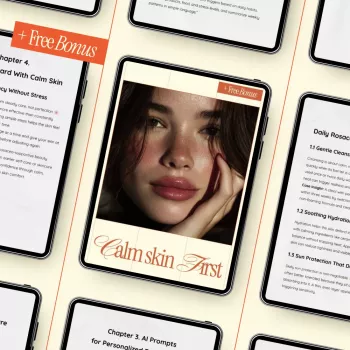
Calm Skin First: The Ultimate Guide for Rosacea-Friendly Beauty Steps
Rosacea-prone skin often reacts to heat, friction, and overly active formulas. A calmer routine focuses on barrier support, gentle cleansing, minimal-but-effective actives, and makeup techniques that reduce irritation while improving the look of redness. Use the steps below to build a dependable daily plan, spot common trigger points, and create a routine that feels comfortable from morning through removal at night.
Start With Rosacea Basics: What Skin Usually Needs
Rosacea can look different from person to person, but most routines work best when they prioritize comfort and consistency over constant experimentation.
- Common signs: persistent redness, flushing, visible blood vessels, acne-like bumps, and stinging or burning sensations.
- Frequent triggers: hot water, spicy foods, alcohol, heat, cold wind, friction from exfoliation, and fragranced products.
- Routine priority: support the moisture barrier first; add treatments only when skin feels stable.
- When to seek medical care: frequent flares, eye irritation, or bumps that don’t improve with gentle care.
For a clear overview of symptoms and when to get help, see the American Academy of Dermatology Association’s rosacea resource.
The Non-Negotiables: Patch Testing and One-Change-at-a-Time
With rosacea, irritation is often cumulative. A product that seems “fine” on day one can become a problem once you stack multiple new items at once.
- Patch test first: try new items on the jawline or behind the ear for several days before full-face use.
- Go slow: introduce one new product every 1–2 weeks so it’s easier to identify irritants.
- Track flare patterns: note weather shifts, workouts, stress, food/drink, and any skincare or makeup changes.
| Step | What to do | What to watch for |
|---|---|---|
| Day 1 | Apply a small amount to a discreet area once | Immediate burning, itching, or intense redness |
| Days 2–3 | Repeat once daily on the same spot | Delayed swelling, bumps, or increased sensitivity |
| Days 4–7 | Use on part of the face (one cheek/jaw) | Uneven redness or stinging that persists |
| After 1 week | If calm, move to full-face use | Stop if symptoms escalate |
Morning Routine: Calm, Protect, and Keep It Light
A gentle morning routine aims to reduce baseline redness, prevent dehydration, and shield skin from UV (a common flare driver).
- Cleanse gently: use a mild, non-foaming cleanser; choose lukewarm water; avoid scrubbing.
- Hydrate and buffer: look for fragrance-free moisturizers with ceramides, glycerin, hyaluronic acid, and/or niacinamide (only if tolerated).
- Treat carefully: if using azelaic acid or other actives, apply a very thin layer and reduce frequency during flares.
- Sun protection daily: broad-spectrum SPF 30+ is essential; mineral filters (zinc oxide/titanium dioxide) often feel gentler.
- Technique matters: pat products on; avoid rubbing; wait 60–90 seconds between layers to reduce pilling and friction.
If you want a structured sequence you can follow without overthinking, Calm Skin First: The Ultimate Guide for Rosacea-Friendly Beauty Steps lays out an easy, comfort-first order for both skincare and makeup.
Makeup That Respects Sensitive Skin
Makeup can be rosacea-friendly when it reduces drag on the skin and stays flexible (instead of drying down hard and requiring scrubbing to remove).
- Primers: skip heavily fragranced or “tingly” formulas; choose hydrating, barrier-friendly textures.
- Color correction: a small amount of green corrector can neutralize redness; keep layers thin.
- Foundation strategy: choose lightweight, buildable coverage; apply with clean fingers or a damp sponge to minimize friction.
- Powder use: apply only where needed; heavy powder can emphasize dryness and make removal harsher.
- Blush and bronzer: soft pigments tend to look smoother; if texture is a concern, avoid sparkle that highlights bumps.
| Goal | What to try | What to avoid |
|---|---|---|
| Reduce redness | Sheer green corrector on the centers of cheeks and around the nose | Thick layers that cake and require scrubbing to remove |
| Even tone | Buildable, fragrance-free base; spot-conceal instead of full coverage | Long-wear formulas that set hard and feel tight |
| Comfort | Cream products over dry areas; minimal powder | Alcohol-heavy setting sprays or mentholated products |
| Gentle removal | Oil/balm first cleanse followed by a mild cleanser | Makeup wipes and rough washcloths |
Evening Routine: Remove Gently and Repair Overnight
Nighttime is when you can undo the day’s buildup (sunscreen, makeup, pollution) and support recovery without over-processing the skin.
Ingredient Guide: What Often Helps vs. What Commonly Triggers
For a practical trigger list and management tips, the National Rosacea Society is a helpful reference.
Flare-Day Plan: A 72-Hour Reset
A Step-by-Step Reference Guide (So You Don’t Overdo It)
A Helpful Resource for Building a Gentler Routine
If you prefer a structured, easy-to-follow set of steps and reminders, Calm Skin First: The Ultimate Guide for Rosacea-Friendly Beauty Steps can help keep routines consistent and reduce trial-and-error. For a simple way to keep products organized (and avoid rummaging that leads to rushed, rough application), a dedicated countertop spot like the Luxury 12-Inch Stainless Steel Decorative Tray for Home, Kitchen & Countertop can keep your daily essentials within reach.
FAQ
Is mineral sunscreen better for rosacea?
Often, yes—many people tolerate zinc oxide and titanium dioxide well. The best sunscreen is the one that doesn’t sting, wears comfortably, and gets applied every day, so patch test and prioritize fragrance-free options.
Can I use exfoliants if I have rosacea?
Over-exfoliation commonly worsens redness and sensitivity, especially during flares. If you use exfoliants at all, keep them gentle and infrequent, stop when skin feels hot or stingy, and consider clinician-guided options for persistent texture or bumps.
What’s the gentlest way to remove makeup with rosacea?
Start with an oil or balm cleanser to melt makeup and sunscreen, then follow with a mild cleanser using lukewarm water. Skip wipes and rough cloths, and pat dry to avoid friction.
Recommended for you



Pet ID Tags That Work: What to Put (and Skip)
Jul 19, 2026










Leave a comment