-
Shop
- Adidas
- Advanced Technologies
- AI Career Advantage Collection
- AI Skills for Creators & Freelancers
- AI Client Management
- AI Ethics
- AI Mindset
- AI Tools & Prompts
- AI Writing & Content Creation
- Audio, Voice & Music
- Design & Visual Creation
- Email, Messaging & Communication
- Freelancing & Business
- Marketing, Ads & Conversion
- Productivity, Workflow & Automation
- SEO & Search Optimization
- Social Media Content & Growth
- Strategy, Planning & Analytics
- Video Creation & Editing
- AI Skills Mastery 2026 Collection
- Bathroom
- Best-Sellers
- Car Accessories
- Confidence
- Dating & Social Skills
- Digital Resources
- AI & Technology
- AI Skills
- Beauty
- Budgeting & Saving
- Car Buying & Ownership
- Cozy Feast Collection
- Electronics & Technology
- Entrepreneurship & Business Growth
- Financial Education
- Financial Independence
- Financial Mindset & Psychology
- Goal Setting
- Hobbies
- Home Styling & Organization
- Kitchen & Recipes
- Leadership
- Mindfulness
- Mindset
- Online Business
- Parenting & Child Development
- Personal Style & Fashion
- Pet Lifestyle & Wellness
- Positive Thinking
- Sleep Improvement
- Smart Life with AI
- Stress Management & Relaxation
- Travel Planning
- Wellness
- Yoga & Fitness
- Yoga & Mind-Body Practices
- Education & Learning
- Family & Parenting
- Fashion
- Furniture
- Gadgets
- Health & Beauty
- Health & Wellness
- Home & Garden
- Home Decor
- Home Electronics
- Kids & Babies
- Kitchen
- Kitchen Best-Sellers
- Lighting
- Luxury Brands Collection
- Nike
- Online Business for Beginners
- Patio, Lawn & Garden
- Personal Growth
- Pet Care
- Pet Supplies
- Pets
- Smart Amazon Shopping
- Sport & Outdoors
- Stress Relief & Relaxation
- TikTok Growth & Monetization Mastery
- Travel
- Travel & Adventure
- Wealth
- Popular
- Best deals
Seasonal Wardrobe Basics: Build a Mix-and-Match Closet

How to Choose Seasonal Wardrobe Basics for a Smart, Mix-and-Match Closet
Seasonal wardrobe basics are the small set of dependable pieces that handle most outfits while adapting to changing weather. A smart closet starts with evaluating lifestyle needs, choosing a consistent color palette, and building a repeatable checklist for each season so getting dressed stays simple and intentional.
Start With Real-Life Needs: Climate, Calendar, and Lifestyle
Before buying anything, zoom in on what your next 8–12 weeks actually look like. The goal is a wardrobe that matches your schedule—not an imagined version of it.
- Map typical weeks: work setting, errands, workouts, social events, travel, and dress codes.
- Note climate patterns for the next 8–12 weeks: temperature range, rain/snow, humidity, indoor heating/AC. If you want a quick reality check, compare forecasts with local averages using NOAA Climate Data Online.
- Set a “laundry rhythm” (weekly, biweekly) to decide how many base layers, tees, and undergarments are needed.
- Identify friction points: shoes that hurt, coats that don’t layer, tops that require special bras, fabrics that itch or wrinkle.
Seasonal Basics Planning Snapshot
| Season | Weather focus | Core layers | Outerwear | Shoes | Accessories |
|---|---|---|---|---|---|
| Spring | Variable temps, rain | Light knits, tees, long-sleeve base | Trench or light jacket | Water-resistant sneakers, loafers | Umbrella, scarf |
| Summer | Heat, humidity | Breathable tees/tanks, linen/cotton shirts | Lightweight layer for AC | Sandals, breathable sneakers | Sunglasses, hat |
| Fall | Cooling temps, wind | Mid-weight knits, tees + overshirt | Wool coat or insulated jacket | Boots, sneakers | Scarf, gloves (light) |
| Winter | Cold, snow/ice | Thermals, sweaters, long-sleeves | Insulated coat, waterproof shell | Weatherproof boots | Gloves, beanie, warm scarf |
Choose a Color Palette That Mixes Easily
A cohesive palette reduces “nothing to wear” moments because more combinations work automatically. You don’t need to limit personal style—just make it repeatable.
- Pick 2–3 neutrals as the backbone (examples: black, navy, gray, camel, cream, olive).
- Add 1–2 accent colors that flatter skin tone and feel wearable across multiple items (tops, scarves, bags).
- Use a simple rule for cohesion: most tops should match at least two bottoms; most shoes should work with at least three outfits.
- Avoid “orphan” colors and prints unless they can anchor 3+ looks with current basics.
- Decide on metal tone for hardware/jewelry (gold, silver, mixed) to keep accessories consistent.
If you like a polished uniform, build around one everyday accessory that pairs with nearly everything. A classic timepiece such as the Luxury Men’s Automatic Mechanical Watch can make basics feel finished without adding more clothing.
Build the Core: Seasonal Capsule Categories
Instead of shopping by random “cute pieces,” shop by categories that solve daily outfits. Each category should earn its place by working with multiple items you already own.
- Tops: breathable basics (tees, tanks), elevated options (button-down, blouse), and layering pieces (cardigan, overshirt).
- Bottoms: one casual option (jeans), one polished option (trousers or skirt), and one comfort option (pull-on pant or shorts, depending on season).
- Dresses/one-pieces (optional): choose silhouettes that work with layers and multiple shoe types.
- Outerwear: prioritize function first (warmth/waterproofing) and ensure it layers over the bulkiest mid-layer.
- Shoes: select 2–4 pairs per season—one for walking, one for polish, one for weather, and one for occasions if needed.
- Accessories: belt, bag, scarf/hat/gloves by season; keep to a small set that works across outfits.
One practical closet upgrade: create a designated “landing zone” for daily essentials (keys, watch, sunglasses, wallet). A neat catchall like the Luxury 12-Inch Stainless Steel Decorative Tray helps keep accessories visible so they actually get worn.
Fabric and Fit Checks That Prevent Regret Purchases
- Fabric: favor breathable natural fibers for heat, insulating fibers for cold, and blends for durability and easy care. For a helpful overview of fiber impacts, explore Textile Exchange’s resources: Textile Exchange.
- Fit: confirm shoulder seams, waist rise, and sleeve length first; tailor simple items (hem, waist) instead of replacing repeatedly.
- Layering test: try base + mid-layer + outerwear together; make sure arm mobility and collar comfort hold up.
- Care test: check washing instructions; avoid building a basics wardrobe that requires frequent dry cleaning unless it fits routine and budget. The FTC explains clothing care label requirements here: Care Labeling of Textile Wearing Apparel.
- Comfort test: walk, sit, reach, and carry a bag while wearing the piece; anything that pinches or rides up becomes a low-wear item.
Seasonal Clothing Checklist: A Simple Count System
A Smart Closet Workflow: Audit, Plan, Shop, Repeat
Digital Planner Support for Faster Outfit Decisions
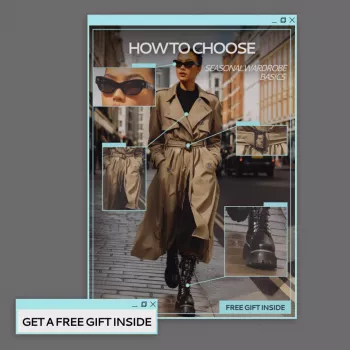
A guided planner can make seasonal resets quicker—especially if you tend to buy “almost right” items that don’t integrate. The How to Choose Seasonal Wardrobe Basics – Digital Style Guide and Capsule Wardrobe Planner supports a repeatable process: set goals, define a palette, inventory what you own, and connect outfit planning to purchases so new items have an immediate job in your closet.
Finishing Touches: Accessories That Multiply Outfits
FAQ
How many basics are enough for a seasonal capsule wardrobe?
A practical starter range is 6–10 tops, 3–5 bottoms, 2–3 mid-layers, 1–2 outerwear pieces, 2–4 shoes, and 5–8 accessories, then adjust based on how often you do laundry. After 2–3 weeks of real wear, add only what you repeatedly wish you had.
What should be bought first when rebuilding a seasonal wardrobe?
Start with what affects daily comfort and repeat wear: weather-appropriate outerwear, comfortable walking shoes, and versatile base layers. Then add one polished piece that fits your most common “need to look put-together” situation.
How can a closet stay cohesive across seasons without buying a lot?
Keep a stable neutral palette, rely on bridging basics that work across two seasons, and rotate a small set of accessories. Layering and quick outfit planning usually reveal that the “gap” is styling, not a missing shopping haul.











Leave a comment